Shopping note: This journal carries advertisements and may earn a commission from qualifying purchases through marked commercial links. Product availability, prices and returns depend on your retailer and region. Read our disclosure.
In this story
Choose a small shared paletteLet one pair of trousers do several jobsMake the warm layer earn its spaceBuild a realistic shoe planUse an activity gridKeep the day bag simpleA coastal weekend can involve several different temperatures in the same afternoon. The sheltered lunch table feels warm, the shoreline is breezy and the walk back after dinner calls for another layer. Packing around those transitions is more useful than building a separate outfit for every photograph you hope to take.
Begin with the actual plans and the forecast close to departure. A quiet stay with short walks needs different clothes from a trip built around exposed paths or water activities. Check any activity-specific requirements with the provider or relevant local guidance. Ordinary casual clothing should not be treated as specialist outdoor equipment.
Choose a small shared palette
Pick two neutral colors already common in your wardrobe and one accent if you enjoy color. Navy, cream and a soft red are one possibility; black, sand and blue are another. The purpose is to let tops and bottoms exchange partners easily. Exact shade matching is unnecessary if the overall combinations look comfortable to you.
Lay out two bottoms, several clean tops appropriate to the length of the trip and one removable warm layer. Add personal essentials, sleepwear and underlayers separately. If swimming is genuinely planned, include what you need for it. Avoid packing beach equipment simply because the destination is near the sea.
Let one pair of trousers do several jobs
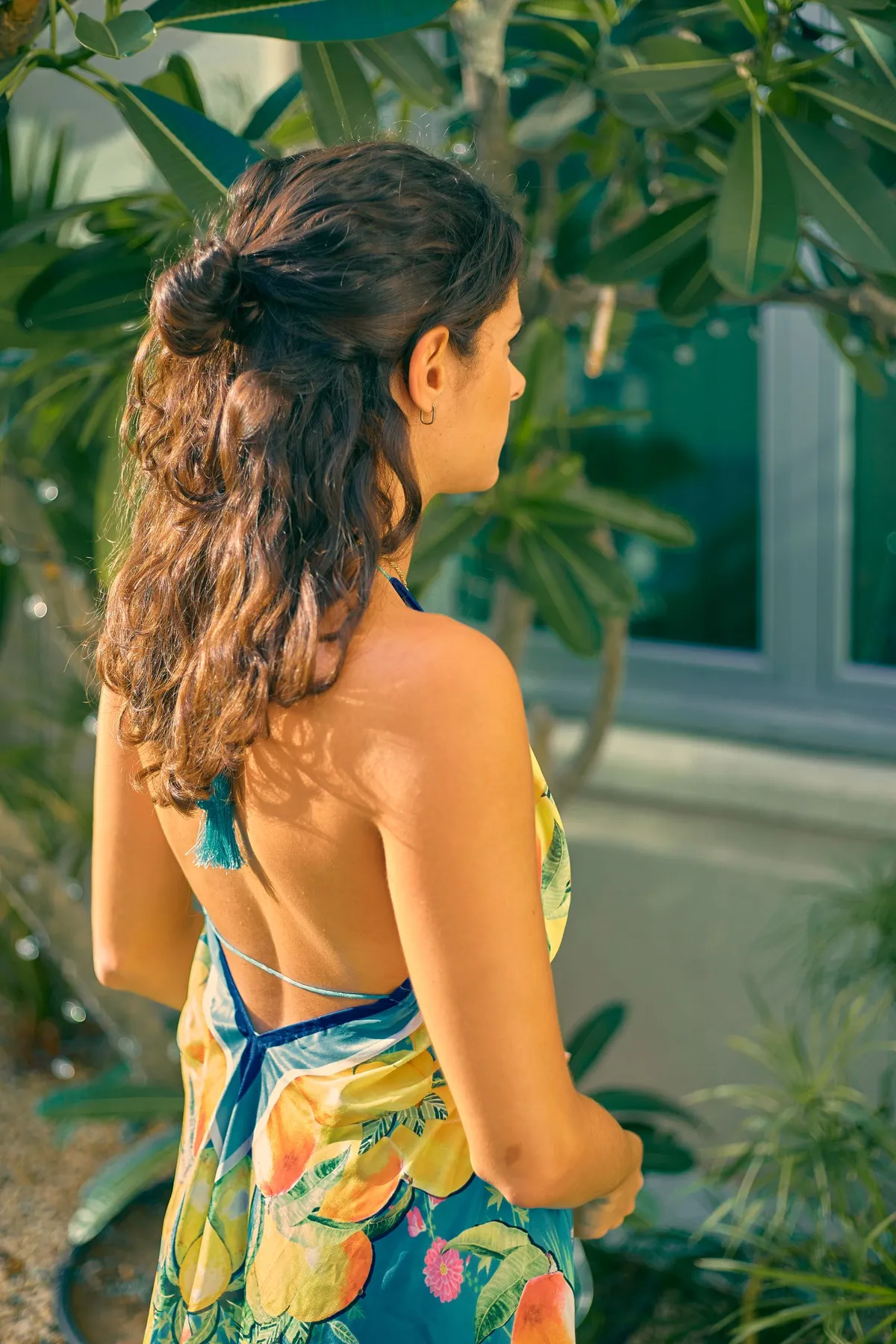
A comfortable trouser can work for the journey, a café lunch and a casual evening. Linen may suit warmer conditions, while another fabric may be more practical for a cooler forecast. Test the waistband while seated and check that the hem clears your chosen shoes.
The linen trouser guide explains how coverage, lining and care affect the decision. If wrinkles would bother you throughout the trip, choose a garment whose appearance you already enjoy after several hours of wear. Travel is not the ideal moment to negotiate a new relationship with a demanding fabric.
Make the warm layer earn its space
Choose a cardigan, sweater or jacket that works over every main top. Test sleeve volume and the neckline together. A bulky sweater may be comfortable outdoors but occupy much of the bag indoors. A lighter layer can be easier to carry, though the forecast and your own warmth needs should determine the choice.
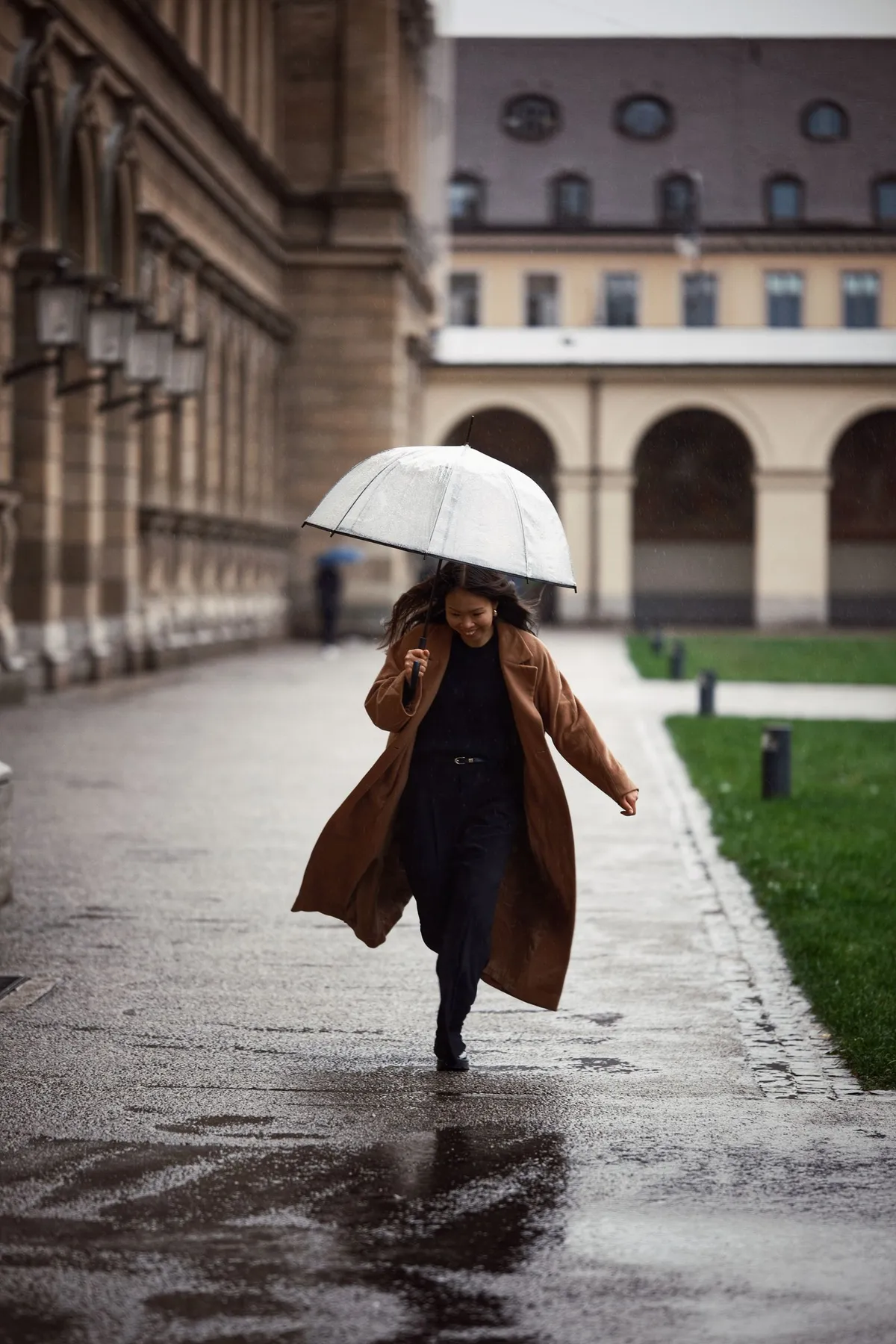
Wind and rain call for appropriate protection beyond a decorative knit. Read garment information carefully if buying an outer layer for weather coverage. A useful hood, secure closure and room to move may matter more than a particular color. Keep essential protection accessible during the journey rather than buried beneath the clothes.
Build a realistic shoe plan
Wear the larger practical pair during travel. A second pair should serve a different purpose, such as a suitable dry-weather sandal or a clean dinner option. Consider the walking surfaces and whether either pair needs time to dry between outings. Avoid a collection of shoes that all solve the same short-walk problem.
Inspect footwear before packing. A familiar pair with a failing sole is less dependable than memory suggests. Keep soles separate from clean clothing and follow care instructions if shoes become wet or sandy. A small reusable shoe bag can be enough without a large accessory purchase.
Use an activity grid
| Activity | Clothing approach | What to verify |
|---|---|---|
| Journey | Comfortable trousers and light top | Seated waistband comfort |
| Shoreline walk | Same base with appropriate outer layer | Forecast and walking surface |
| Casual dinner | Clean top with repeated trousers | Venue expectations |
| Morning coffee | Remaining clean base and warm layer | Space for the journey home |
This grid reveals duplicate pieces more clearly than a pile of folded clothing. If an item works only once, decide whether that occasion justifies it. A special event may deserve its own outfit; an uncertain dinner possibility may not.
Keep the day bag simple
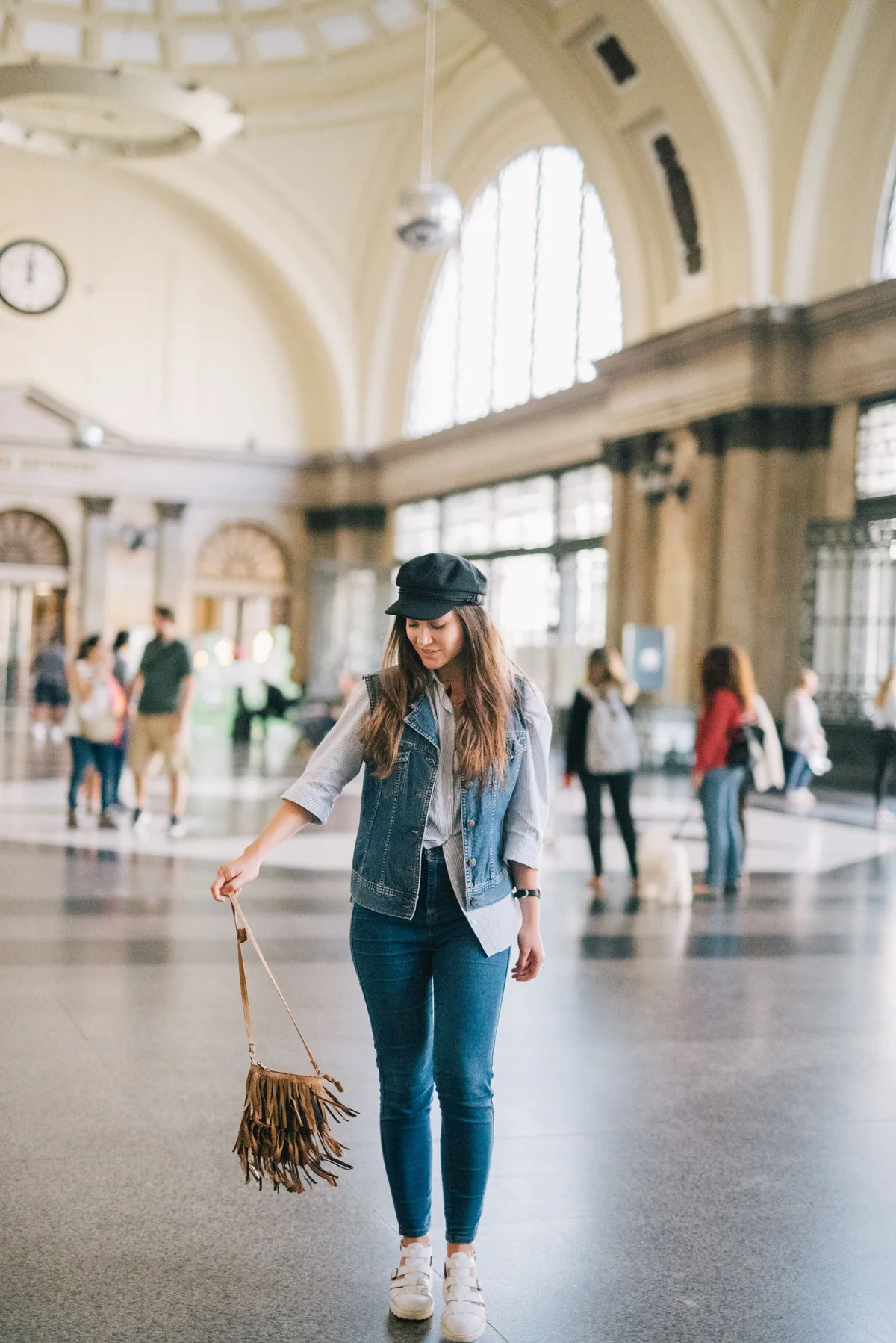
Carry the essentials for the planned outing and leave unnecessary belongings at your accommodation when appropriate. A secure, manageable bag is easier to use than a large open tote filled for every possibility. Protect sensitive items from moisture and follow any relevant travel rules for medicines or documents.
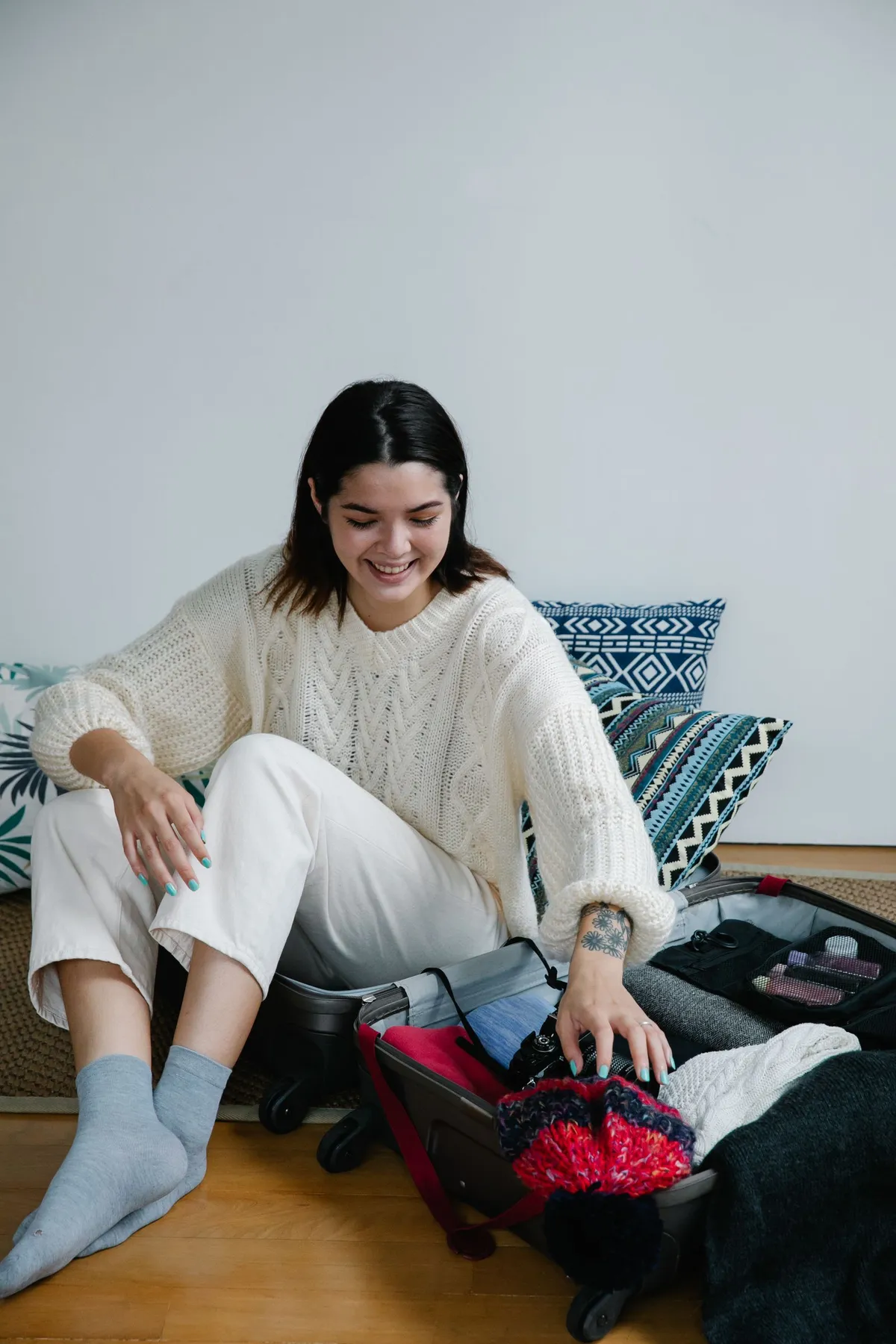
The one carry-on weekend plan provides a useful trial-packing method. Before buying new luggage or organizers, pack the current bag and carry it around the home. Check handles, closures and available space. Compare any replacement by actual dimensions, empty weight and return conditions rather than a travel label alone. Leave enough room to separate worn clothes on the return journey, and let the final packing list reflect the weekend you are actually taking.
Have a correction or a question? Contact the journal. See how we choose topics and approach shopping advice.