
Shopping note: This journal carries advertisements and may earn a commission from qualifying purchases through marked commercial links. Product availability, prices and returns depend on your retailer and region. Read our disclosure.
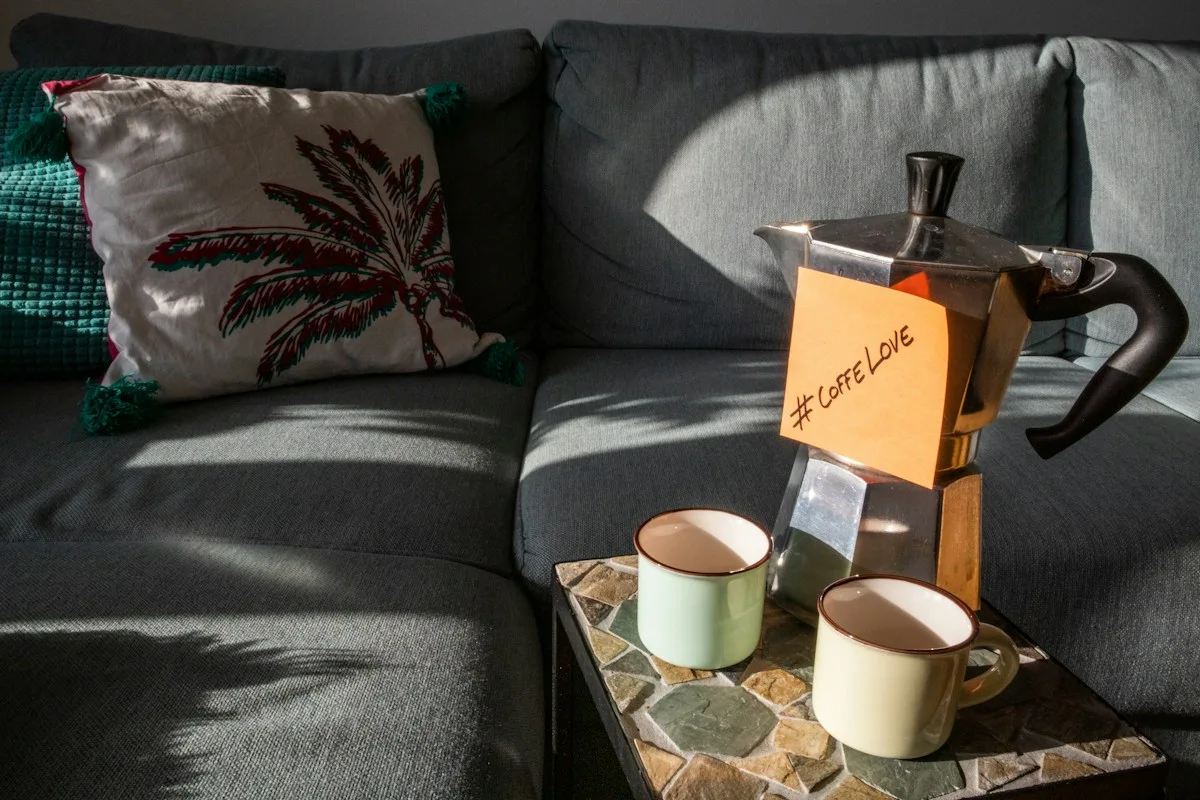
A coffee visit does not need a matching new cup set to feel considered. Offer a guest a simple choice among the appropriate cups you already have, while keeping the drink arrangement clear. The aim is to let a preference be expressed without turning a short visit into a consultation about every object on the table. A styled photograph can inspire the mood, but the actual guest and the actual cups make the useful decision.
Begin with the drink arrangement
Ask what the guest would like through the options you are genuinely able to offer. Keep established ingredient and suitability requirements clear rather than guessing them from an earlier visit or a casual preference. A cup choice does not settle the contents of the drink.
Follow the relevant product instructions and appropriate food preparation information for the actual task. Do not use a cup in a way its maker has not established merely because it looks similar to another vessel. Appearance alone cannot confirm the suitability of an object for a particular drink or method.
Offer a manageable choice
Present two appropriate existing options if a choice would be welcome. A plain question about which cup the guest prefers is enough. There is no need to explain a personal history for every item or make the guest feel responsible for choosing the most special object.
Respect a simple answer. If the guest is content with either, choose one and continue with the visit. The offer is meant to make room for preference, not to create a test in which there is a correct response about your belongings.
Keep the setting proportionate
Use a practical place for the agreed drink rather than reproducing every element of an inspirational image. A small conversation does not require the entire room to become a styled coffee scene. Keep supplied or borrowed furniture and objects within their appropriate use.
The coffee tray guide provides a related way to keep the serving task clear. A tray arrangement can support the visit, but it should not introduce extra objects that compete with the simple choice you offered.
Let the preference remain personal
Do not treat a guest’s choice as a verdict on the other cups or a reason to replace the collection. They may simply prefer the appearance of one today. You can remember a stated preference without turning it into an unchanging rule for future visits.
The relaxed brunch guide offers a wider approach to planning a small gathering around the people who will attend. For coffee, a useful result can be modest: an understood drink arrangement, an appropriate cup the guest is happy to use and room for the conversation you invited them to share. The care comes from the clear welcome, not from buying a matching object for every possible preference.
Have a correction or a question? Contact the journal. See how we choose topics and approach shopping advice.