
Shopping note: This journal carries advertisements and may earn a commission from qualifying purchases through marked commercial links. Product availability, prices and returns depend on your retailer and region. Read our disclosure.
Place cards become easier to prepare when the names and format are settled before the whole set is made. A decorative design cannot answer how a guest wants to be addressed or who has been assigned to a particular seat. Keep those decisions with the host and the people concerned. Then use one clear naming approach so the cards perform their actual task at the table.
Establish the guest names
Work from the actual guest list and check the spelling and preferred form of any name you are unsure about. Do not replace an unfamiliar name with a nickname merely because it fits more easily on the card. A smaller decorative flourish is a better compromise than guessing how another person wants to be named.
If two guests share the same first name, agree a suitable distinction rather than improvising an embarrassing label. Keep the choice courteous and understandable. You do not need to include unnecessary personal information to tell the cards apart.
Separate naming from seating
Use the host’s actual seating decision, if a seating plan is part of the gathering. A card maker should not assign people to places based on assumptions about who will prefer to sit together. Keep a proposal clearly labelled until the person responsible for the arrangement has agreed it.
If the gathering does not need assigned places, do not create that expectation through cards that look like seating instructions. The host may want another kind of label or no names on the table at all. Establish the purpose before making the objects.
Compare one sample first
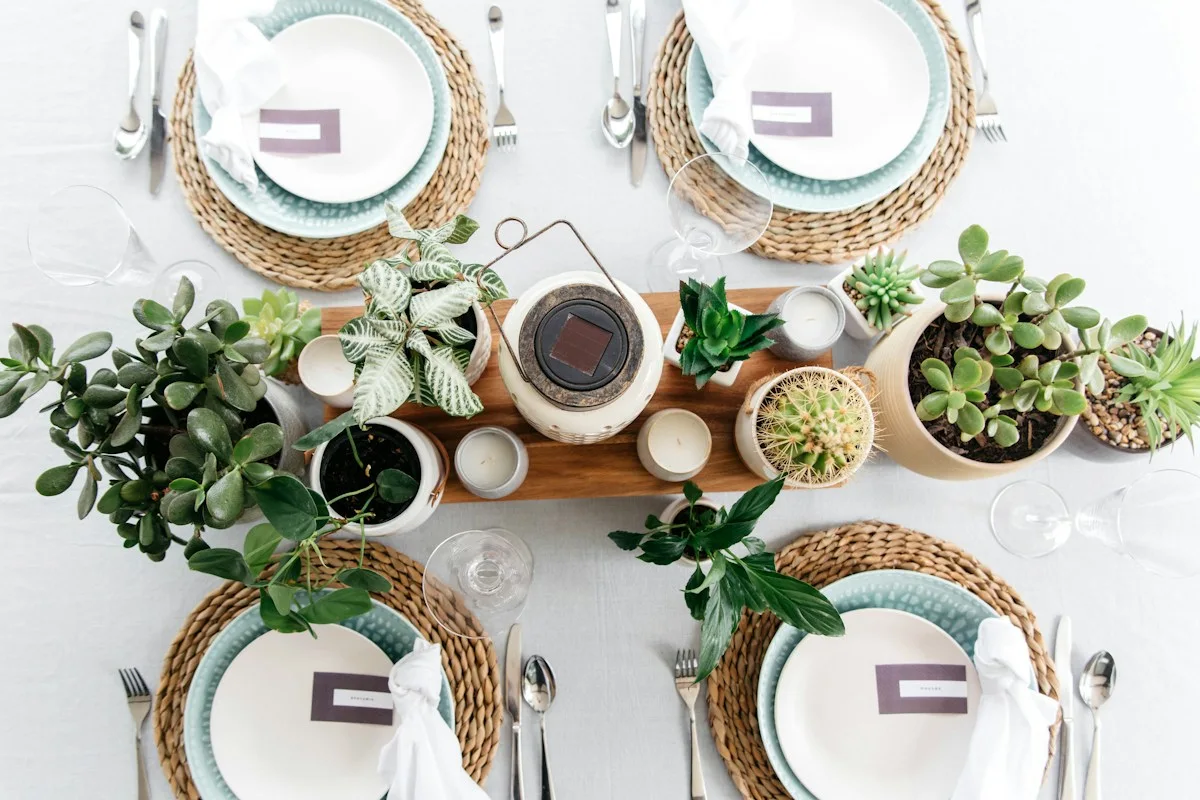
Prepare a sample using the materials appropriately, with a name representative of the actual set. Check the relationship between the lettering, card size and intended position. A design that works for a short name may need revision before longer names can be included consistently.
The dinner table guide provides a broader context for keeping the table usable. Place cards should fit the agreed arrangement rather than require the dishes and glasses to be reorganised around a decorative idea.
Make the set from a checked list
Once the sample and names are agreed, work through the final list and compare the finished cards with it. Mark an unresolved name instead of filling the space with a guess. If a guest changes, update the actual set rather than leaving an old card among the finished ones.
The small gathering decoration return guide addresses what happens to objects afterwards. Keep reusable pieces and any borrowed materials within the established arrangement. A well-considered place card does not need an elaborate story; it needs the right name, an understood purpose and a place in the host’s actual plan. Once those are clear, the visual details can support the welcome rather than obscure it.
Have a correction or a question? Contact the journal. See how we choose topics and approach shopping advice.