Shopping note: This journal carries advertisements and may earn a commission from qualifying purchases through marked commercial links. Product availability, prices and returns depend on your retailer and region. Read our disclosure.
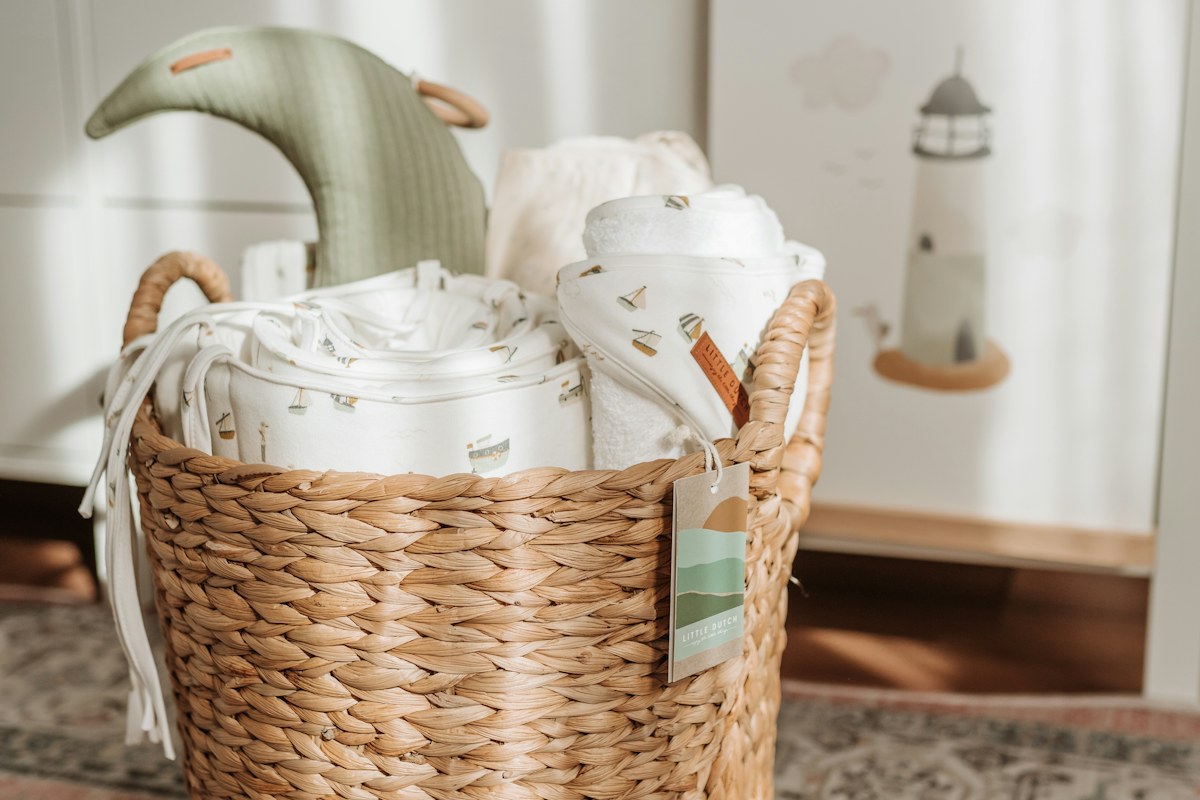
A teaware gift basket can arrive beautifully arranged and remain awkwardly untouched because nobody has decided where the contents belong. Unpack it as a collection of useful objects rather than preserving the display indefinitely. The basket and each piece of teaware may have different care and storage requirements.
Read the accompanying information
Keep any maker's instructions, material details and relevant purchase information before removing packaging. Check what the pieces are intended to do and how they should be cared for. Decorative appearance alone does not establish suitability for hot drinks, dishwashers or any particular use.
If an item is unclear, ask the giver or the appropriate maker rather than guessing. Set aside damaged or questionable pieces for an appropriate resolution. A gift's sentimental value does not require immediate use when you do not yet understand the object or its care requirements.
Separate packaging from equipment
Remove each piece carefully in a suitable clear area. Keep protective material until you know the contents are complete and no return or exchange question remains. Do not assume the display basket is intended as permanent storage for fragile teaware simply because that was how the gift was presented.
Look at the basket's own guidance if available. Its material may need different handling from the cups or pot. Choose a role that suits its condition and construction, or store it appropriately while deciding. Reusing packaging is useful only when the new purpose is genuinely suitable, not when it creates another awkward container in the kitchen.
Give the teaware an everyday place
Choose storage through safe access, appropriate support and the way you will use the pieces. Keep lids or matching components clearly associated without balancing them in a precarious stack. Leave enough room to retrieve one cup without moving the entire collection.
The open-shelf dish retrieval guide helps assess whether visible storage is actually practical. A decorative shelf may look appealing but be inconvenient for daily use. Consider the ordinary cupboard as well, especially if it provides more suitable protection or access for the actual pieces.
Plan the first use modestly
Follow the maker's initial care instructions and choose a simple occasion to use the appropriate pieces. You do not need to create a full gathering to justify opening the gift. A quiet drink or a small shared break can establish which items you enjoy and where they should return afterward.
The coffee-tray guide offers a useful comparison for keeping drink-making equipment purposeful. Should the entire set remain together? It may if that supports use and suitable storage. Otherwise arrange the pieces sensibly while preserving any information that connects them. The gift becomes part of everyday life when its contents can be found, used appropriately and returned, rather than only admired in their original wrapping.
Have a correction or a question? Contact the journal. See how we choose topics and approach shopping advice.