Shopping note: This journal carries advertisements and may earn a commission from qualifying purchases through marked commercial links. Product availability, prices and returns depend on your retailer and region. Read our disclosure.
Decorative purchases can become surprisingly difficult to identify after their packaging is discarded. A small ceramic object or print may lose its maker's reference, care information or purchase record just when a question arises. Keep a useful association before simplifying the wrapping so the object remains understandable after it joins a shelf.
Identify the exact object
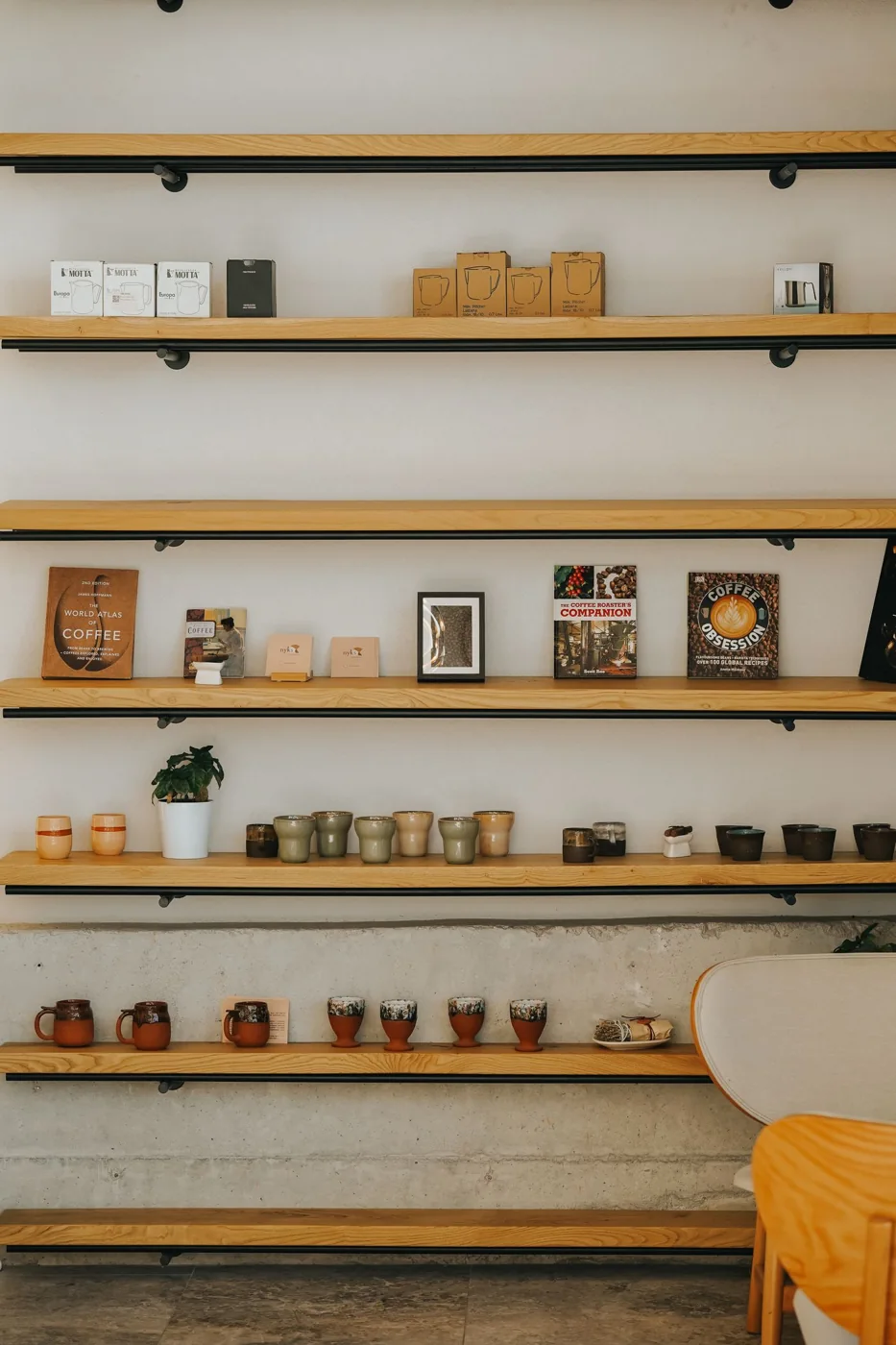
Record the maker or seller reference provided with the purchase, distinguishing the individual item from the broader collection name. If several similar pieces arrived together, describe the difference clearly. A note saying small vase is less useful when the shelf already holds several small vessels.
Keep the object's intended use clear. Decorative appearance does not establish suitability for food, water, heat or another practical task. Consult the maker's actual information rather than turning an attractive shape into a new function by assumption.
Preserve useful packaging information
Read the labels, leaflet and other supplied details before deciding what can go. Keep the information needed for use, care or an unresolved purchase question in an accessible place. A readable photograph can supplement a record, but check that it identifies the correct object and captures the relevant text.
Avoid storing every piece of wrapping indefinitely without a purpose. Separate documents still needed under the seller's actual terms from material that can be dealt with appropriately. The aim is a useful reference, not a permanent pile beside the newly decorated shelf.
Connect the record to the room
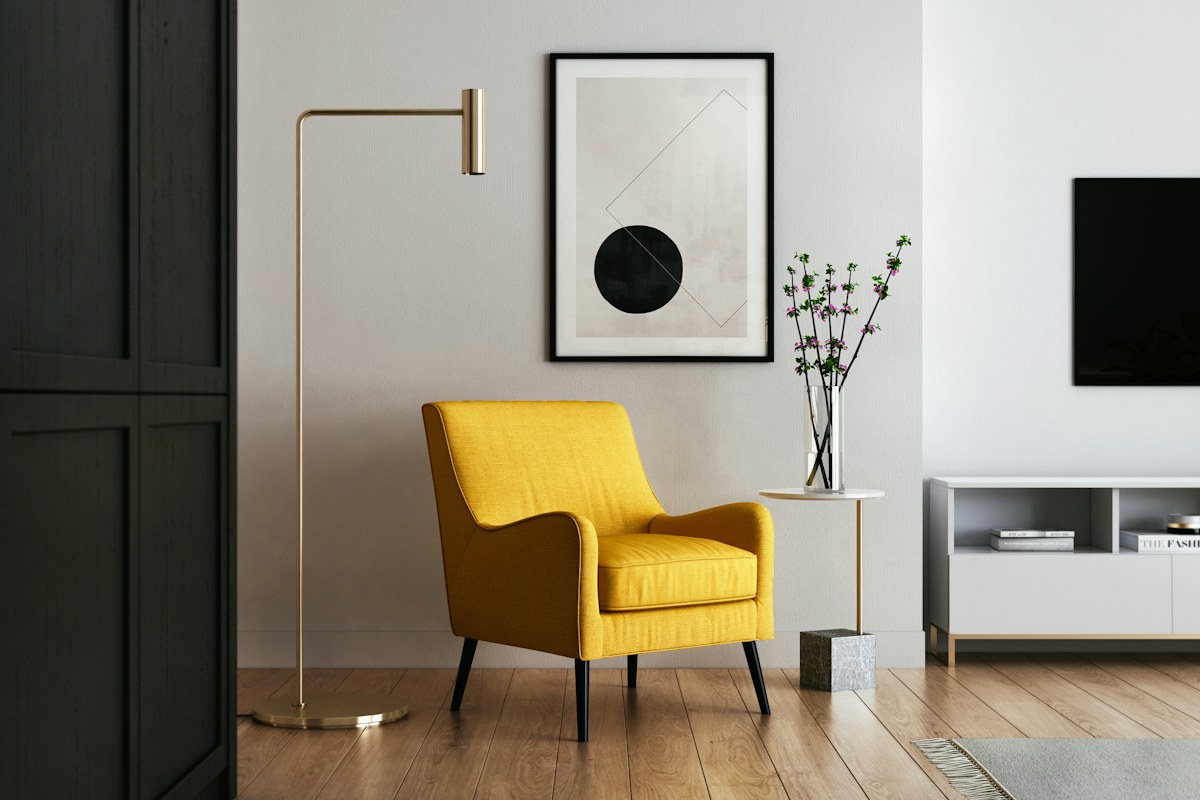
Note the object's chosen place if that helps distinguish it later. The framed-print layout guide supports deciding where a piece belongs before changing the room. Keep that personal placement note separate from the maker's installation or care instructions.
Do not add unsupported claims about origin, age or craftsmanship because they fit the room's story. Preserve the information actually supplied and leave an uncertain detail as a question. An object can be enjoyed without being assigned an invented provenance.
Make later questions easier to answer
If a fitting or care issue appears, use the exact identification and describe the problem to the appropriate seller or maker. Do not improvise a repair from a general impression of the material. Keep photographs of a relevant concern factual rather than editing them to emphasise an assumed cause.
The desk-paper next-action guide helps give the remaining purchase documents a purpose. A receipt awaiting a response belongs with that open task; a closed reference belongs somewhere it can be found without occupying the everyday desk.
Review the record when the object moves or is passed on. Include essential information with an agreed new owner instead of leaving them to reconstruct the item's intended use. A clear decorative-purchase record allows the room to look settled while the practical identity of its objects remains available, with packaging decisions made after the useful information has been preserved.
Have a correction or a question? Contact the journal. See how we choose topics and approach shopping advice.