Shopping note: This journal carries advertisements and may earn a commission from qualifying purchases through marked commercial links. Product availability, prices and returns depend on your retailer and region. Read our disclosure.
A light tonal outfit can look calm and feel surprisingly difficult to assemble. Two creams may seem mismatched on the bed, a pale trouser may show more than expected, and a delicate fabric may not suit the day's errands. The useful approach is to compare complete combinations in appropriate light and choose the version you can comfortably wear.
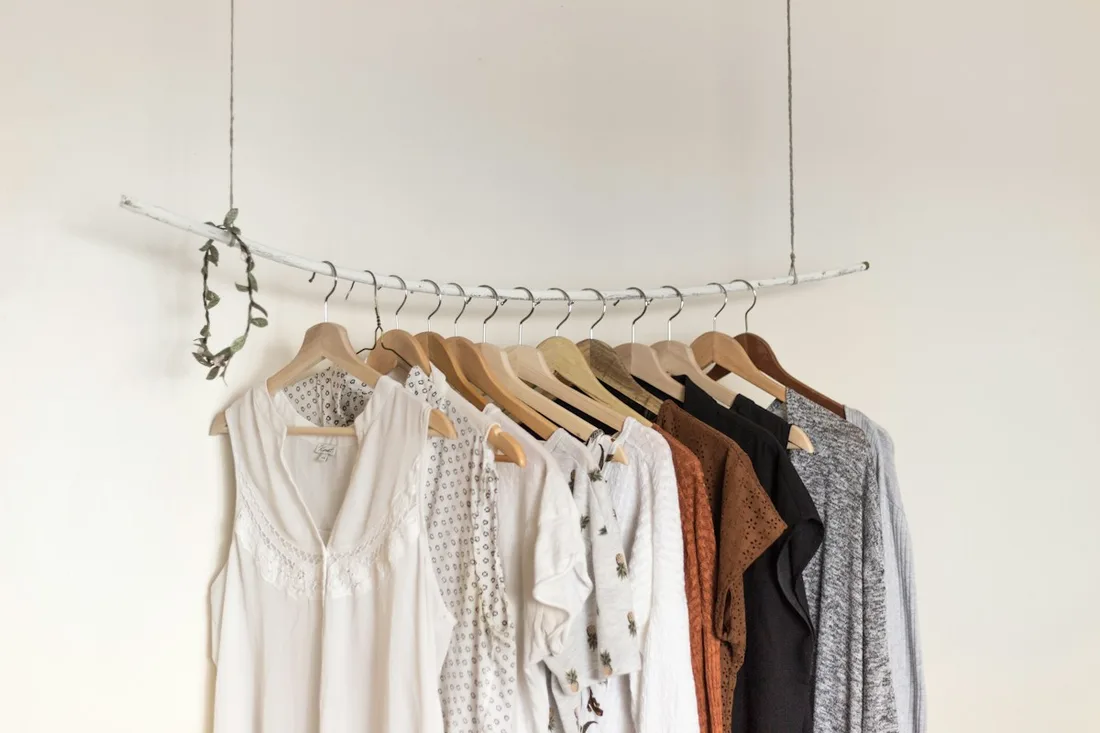
Start with garments you own. A white shirt, an ivory knit, and pale trousers do not need to be identical shades to work together. Differences can look intentional when shape and texture connect the outfit. Decide whether you want a quiet overall effect or a stronger contrast, then use that preference to guide the trial rather than chasing an exact match.
Compare the pieces together
Lay the garments side by side, then put them on. Fabrics can appear different against each other and in changing light. Look at the whole outfit from a normal viewing distance rather than examining tiny shade differences close up. A combination that feels cohesive on the body may look less convincing as a flat pile.
Check with the shoes and bag you plan to use. Those elements can create a deliberate break or continue the light palette. You do not need pale accessories simply because the main clothes are pale. Choose the result you enjoy and the items that suit the day's practical needs.
Make texture do useful work
Try a smooth fabric beside a more textured one. A crisp shirt and a soft knit can create definition without adding a bright color. Consider how the materials move and whether one catches on the other. Texture is useful only if the combination remains comfortable beneath a bag strap or outer layer.
Avoid adding texture everywhere simply to make the outfit interesting. One clear difference may be enough. If both garments are plain and smooth, shape, neckline, or a small accessory can provide another kind of definition. The outfit does not need a formula involving a fixed number of materials.
Check opacity and underlayers
Assess the garments in suitable light and through ordinary movement. A pale fabric's appearance can change with tension, layers, and what is beneath it. Choose underwear or an underlayer that gives the coverage and comfort you want. Do not rely on one shop mirror or a product photograph to answer the question.
Try sitting, reaching, and walking. A lining or extra layer may affect temperature and drape as well as coverage. If the garment only works with an uncomfortable arrangement, decide whether another piece would be more useful. You should not have to spend the day monitoring the outfit to feel at ease.
Plan for the ordinary setting
Think about the journey, seating, weather, and tasks. A delicate pale trouser may be enjoyable for lunch and less convenient for a wet outdoor route. That does not make it a bad garment; it gives it a particular role. Choose the day for the clothes or the clothes for the day with realistic expectations.
Carry any outer layer you need and check how it affects the tonal combination. A darker coat can create a useful frame and may be more practical than buying a pale one solely to preserve the palette. The outfit can remain cohesive while accommodating weather and comfort.
Read care before expanding the palette
Light clothing can require attention to marks, but care depends on the actual material and construction. Follow labels and suitable care guidance rather than applying one universal treatment to every pale garment. If an item repeatedly demands a routine you dislike, consider that before adding another similar piece.
Try the outfit several times before shopping for more. Notice which shade and texture combinations feel easy and which pieces remain unworn. A new purchase should support those observations. Do not buy several nearly identical tops because the first tonal experiment was pleasing in a photograph but has not yet worked in daily life.
Must all the whites match? No; deliberate differences can be part of the look. Can I wear dark shoes? Yes, if the contrast suits your preference and the shoes fit the activity. What if I worry constantly about marks? Choose a setting or different outfit that lets you feel more comfortable; clothing should support the day.
Our linen-trouser guide offers another fabric and proportion check. The cotton-shirt buying guide can help with an existing wardrobe staple. A light tonal outfit succeeds when texture, coverage, and practical use work together.
Have a correction or a question? Contact the journal. See how we choose topics and approach shopping advice.