
Shopping note: This journal carries advertisements and may earn a commission from qualifying purchases through marked commercial links. Product availability, prices and returns depend on your retailer and region. Read our disclosure.
In this story
Check the dress while seatedLet the hem work with the shoesPick a layer that can leave the outfitChoose the bag for the routeShop by the occasion you repeatFinish with one deliberate detailA brunch plan rarely ends at the table. There may be a walk from the station, a browse through a market or an unplanned stop for coffee. A dress can make getting ready straightforward, provided the shoes and layers are chosen for the whole day. Begin with movement and sitting comfort, then add the details that make the outfit feel personal.
The useful formula is a dress you can sit in easily, shoes you can walk in and one removable layer. Jewelry, a belt or a patterned bag can change the mood, but none needs to compensate for an uncomfortable foundation. Try the full outfit together before leaving home.
Check the dress while seated
Sit on a normal chair and assess the neckline, waist and hem. A dress that hangs beautifully when standing may pull at buttons or rise more than expected when seated. Wrap styles deserve particular attention at the chest and skirt overlap. Adjust the fit or choose another cut if maintaining coverage requires constant attention.
Check the armholes by reaching for an imaginary glass across a table. Move as though lifting a bag onto your shoulder. If sleeves or straps shift uncomfortably, think about whether tailoring could resolve the issue. A minor adjustment can be worthwhile, but include the cost before deciding that a bargain is good value.
Let the hem work with the shoes
A midi dress and simple sneakers can suit a day with substantial walking. The exact relationship depends on the skirt width, shoe shape and your preferred proportions. A fuller skirt often benefits from a cleaner shoe profile, while a straight dress can accommodate a more substantial sole. These are visual starting points, not rules about body types.
Loafers or flat sandals may work just as well when they suit the route and weather. Choose a pair you already know is comfortable. Thin straps, slippery soles or stiff uppers deserve a home assessment before a long outing. A polished appearance should still allow you to keep pace with the day.
Pick a layer that can leave the outfit
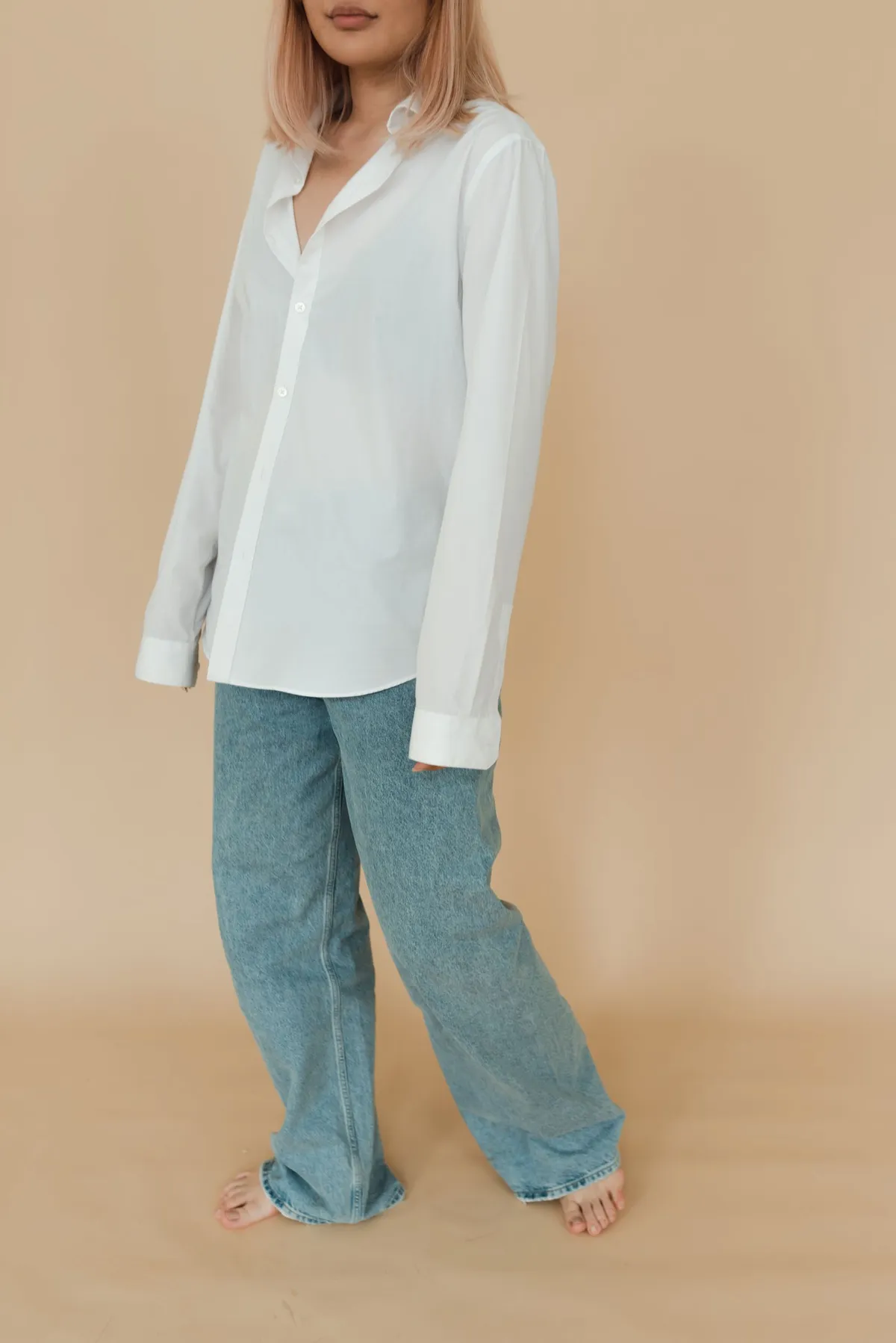
A short cardigan can define the waist of a fuller skirt. A relaxed cotton shirt worn open creates a softer line and can be packed away when warm. A jacket gives more structure but may be inconvenient to carry after lunch. Consider where the removed layer will go: inside a bag, over an arm or onto a chair.
The cotton shirt buying guide is useful if you want one piece to work as both a top and an open layer. Try the shirt over the dress before purchasing. A collar, puff sleeve and broad strap can create unexpected bulk when combined.
Choose the bag for the route
For a short walk, a small shoulder bag may be enough. For a market visit or travel across town, a crossbody or light tote could be more practical. Test the strap with the outer layer and check whether the closure can be operated easily. Carry only what is needed, leaving space for the cardigan if that is part of the plan.
The everyday tote checklist helps distinguish useful capacity from unnecessary size. A large bag can encourage packing for unlikely situations, and the weight changes the comfort of an otherwise easy outfit. A folding reusable bag can handle a small purchase without becoming the main accessory.
Shop by the occasion you repeat
Think about the dress you would wear beyond this one meal. A washable casual dress might suit weekday errands, travel and lunch with friends. A delicate occasion dress may be lovely but serve a narrower purpose. Check the care label, lining, closures and return conditions before deciding.
Department stores, independent boutiques and resale platforms are places to compare silhouettes. Ask for measurements on secondhand listings and inspect photographs of the seams and fabric. Do not assume a familiar size will translate across labels. A dress that needs different shoes, a new bra and specialist care has a larger practical cost than its price tag suggests.
Finish with one deliberate detail
Add an earring, a simple necklace or a color repeated from the print. Then stop and see whether the outfit already feels complete. When the foundation works, a small detail is enough. Check the forecast, tuck the needed layer into the bag and leave room in the plan for whatever happens after brunch.
Have a correction or a question? Contact the journal. See how we choose topics and approach shopping advice.