Shopping note: This journal carries advertisements and may earn a commission from qualifying purchases through marked commercial links. Product availability, prices and returns depend on your retailer and region. Read our disclosure.
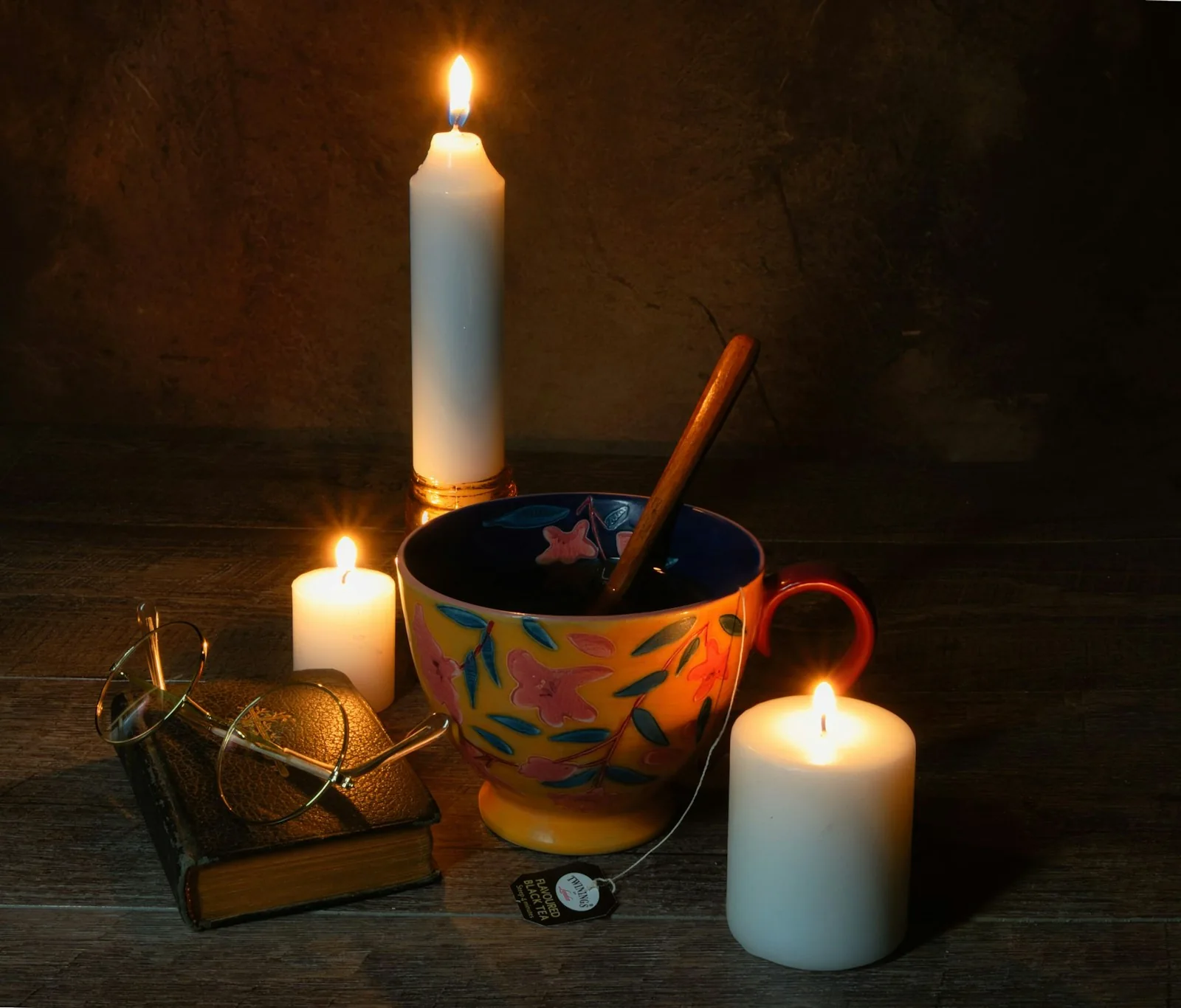
An ordinary cup can be enough for a small still-life photograph. Start with an object you already use and a permitted suitable place to make the image, rather than turning the exercise into a shopping list of props. The interesting decision is what you want the frame to show about the cup and its surroundings, not how closely it imitates a styled photograph.
Choose a modest subject
Pick a cup you are allowed to use and can appropriately handle. Follow its actual product information and keep a simple informal exercise free of unnecessary hazards. An empty familiar object may be enough to compare shape, pattern and the relationship to a surface.
Decide what caught your attention: the handle, a colour beside the table or the cup's outline against a quiet background. One intention gives the photograph a useful starting point without requiring a complete visual story or a collection of matching accessories.
Look at the space before adding anything
Review the existing surroundings and ask which details support the subject. A book or a cloth may already belong to the scene, while another object may simply make the frame harder to understand. Remove only your own appropriate belongings or ask permission before changing a shared arrangement.
Do not introduce a product-specific use or decoration merely because another image includes it. The photograph should work within the actual objects' intended arrangements. A visual exercise is not a reason to improvise with equipment, fragile materials or a shared household surface.
Compare two clear versions
Make one wider view and another closer framing from a suitable position. Notice which version communicates your original interest. The handle may explain the shape in one image while a broader view better preserves the cup's place on the table.
Keep the comparison personal. You do not need to label one version professionally correct or claim a technical effect you have not established. A small observation such as prefer the extra room beside the handle is enough to guide the next choice.
Check what else the photograph includes
Look at the edges, reflections and any readable material. A receipt, notebook page or another person's belongings can enter a frame whose intended subject feels ordinary. Keep private details and people appropriate to the audience before sharing.
The camera loan guide is relevant if the equipment belongs to someone else. Follow the actual permission, handling and file arrangement instead of assuming a borrowed device makes every image available to publish.
Finish without expanding the task
Choose a version that preserves something you noticed and put the objects back through their appropriate routine. The coffee tray guide offers a useful reminder that a household object still has its ordinary role after the photograph.
You can keep the image privately, share it appropriately or decide the exercise was enjoyable without saving another file. A small still life has done its work when it helps you look more deliberately at a familiar object, leaving a new prop collection and a polished public result entirely optional.
Have a correction or a question? Contact the journal. See how we choose topics and approach shopping advice.