Shopping note: This journal carries advertisements and may earn a commission from qualifying purchases through marked commercial links. Product availability, prices and returns depend on your retailer and region. Read our disclosure.
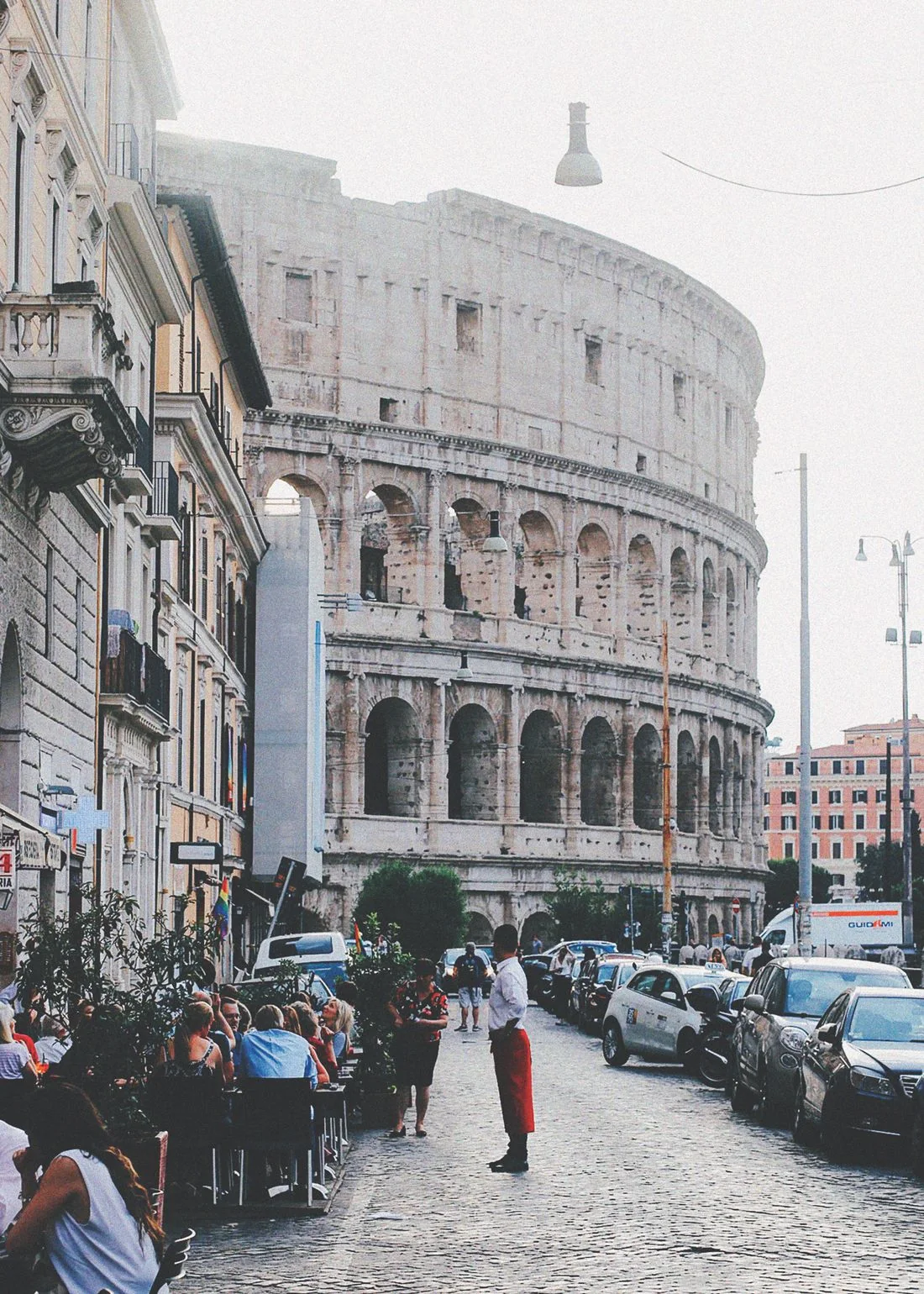
A building photograph has a main facade and a set of edges that decide how much of the surrounding street remains visible. Read those edges before choosing the final image. They may include people, traffic, another building or a fragment of sky that changes the account. A close view and a wider view can both be useful, provided you understand the relationship each one shows rather than pretending the rest of the city was absent.
Identify the architectural subject
Name the feature that interested you: repeated openings, a broad curve, a contrast of surfaces or the building’s relationship with the street. Use reliable identification when a particular building name matters. A familiar silhouette does not justify adding historical details you have not established.
Keep your own observation separate from an explanation of the architecture. You can describe a repeated visible form without claiming to know why it was designed that way. A visual note does not need a technical label to be precise about what you noticed.
Review each frame edge
Look around the perimeter after examining the main facade. Decide what the included surroundings contribute. A neighbouring frontage can show the building’s place in the city; traffic may make the ordinary street context apparent. Those elements do not automatically make the photograph less successful.
Respect the place’s instructions and other people when making photographs. Do not enter an inappropriate position, obstruct movement or seek restricted access to remove an inconvenient object from the frame. The image you can appropriately make is the real starting point for the decision.
Compare context with concentration
If you have suitable alternative images, compare a wider view with a more concentrated one. Ask what each allows the reader to understand. The wider view might explain the scale relationship; the closer one might make the repeated architectural forms easier to see.
Do not describe the closer frame as evidence that the street was empty or quiet. It only excludes information outside its boundaries. The ordinary still-life guide offers a smaller-scale example of choosing what a frame asks the viewer to notice.
Caption the chosen relationship
Write a caption that fits what the photograph actually contributes. If the image concerns a facade beside a busy street, keep that context clear. If you are sharing a detail study, name the visible detail without turning the crop into a complete account of the place.
The rainy city weekend guide provides a broader reminder that a visit happens in real surroundings, not inside an idealised picture. Choosing the frame edges deliberately can make a building image more useful without making it more dramatic. You can preserve a strong architectural observation and still acknowledge the city that continues beyond the photograph.
Have a correction or a question? Contact the journal. See how we choose topics and approach shopping advice.