Shopping note: This journal carries advertisements and may earn a commission from qualifying purchases through marked commercial links. Product availability, prices and returns depend on your retailer and region. Read our disclosure.
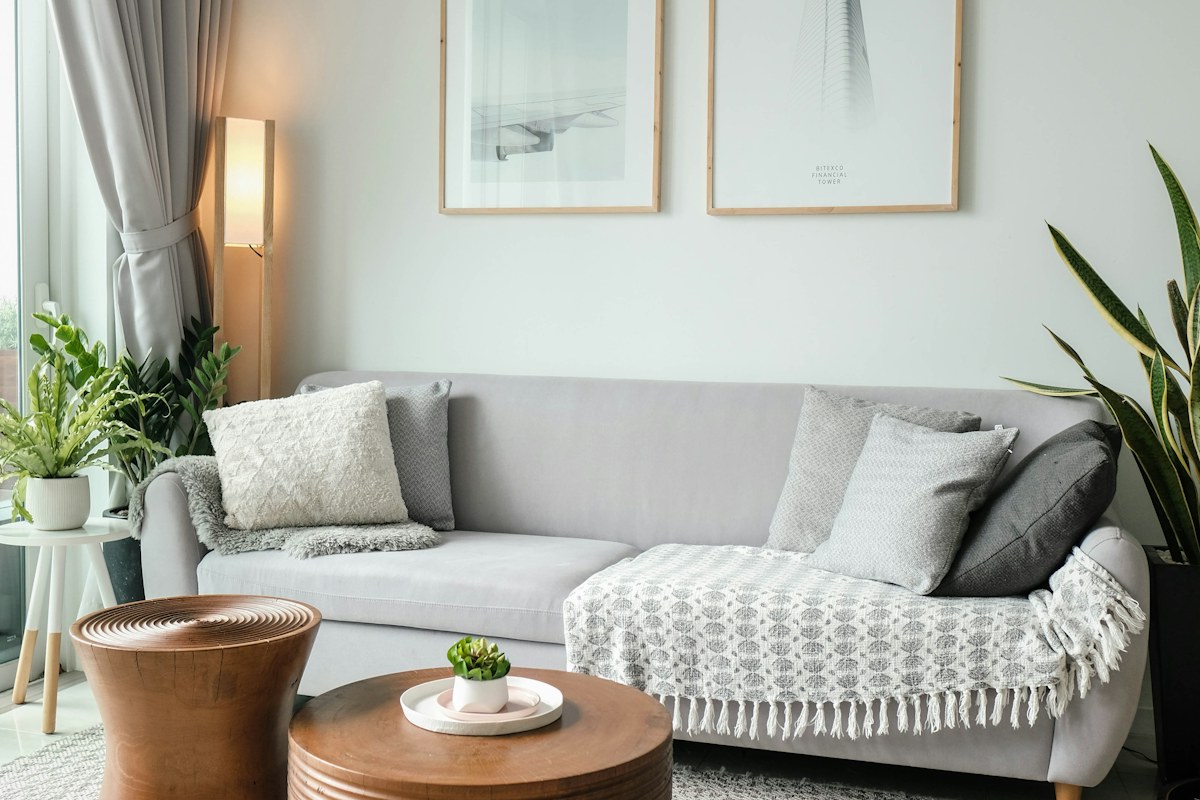
Before adding another patterned cushion, compare the shapes already on your sofa. A square, a long rectangle and an arrangement of similar squares create different relationships even when their colours are quiet. Looking at shape first can show whether you want a different visual balance or simply feel that the room ought to contain another purchase. Use existing pieces where appropriate so the comparison remains an edit rather than a shopping exercise.
Read the sofa as a whole
Look at the furniture with the cushions in their ordinary arrangement. Identify the broad outline and the places where the cushions create repetition or contrast. Do not judge the group only through a close photograph that excludes most of the sofa.
Keep the sofa’s actual use in view. An arrangement chosen for a photograph may not be the one you want while sitting there. Respect the product information and avoid putting objects into roles their makers have not established simply to achieve a particular silhouette.
Compare a smaller group
If appropriate for the objects you own, compare the current arrangement with a simpler selection. Notice which shapes become more visible when there are fewer competing elements. A rectangular cushion may provide the relationship you wanted without the need for another colour or motif.
You can prefer the fuller version after making the comparison. The useful result is understanding what each piece contributes, not reaching the smallest possible number. A home edit should leave an arrangement you enjoy using rather than a rigid rule about how many cushions a sofa may have.
Keep pattern as a separate question
Once the shapes are clear, consider whether an additional pattern would perform a real visual role. Name the relationship it would add. “More interest” is difficult to evaluate; a repeated small motif or a deliberate contrast with the existing surface gives you something specific to compare.
The cushion cover practical guide addresses the actual cover and its requirements. A pleasing shape relationship does not settle fit, care or any other product question. Keep those facts with the item you would actually buy or use.
Review the room context
Look beyond the sofa to the objects already near it. A strong pattern elsewhere may provide the visual emphasis you felt was missing. You may prefer to let the cushions form a quieter supporting group instead of repeating every colour and detail around the room.
The sofa throw comparison considers another object that changes the furniture’s appearance. Make one understandable comparison at a time so you can see what caused the difference. If the existing cushion shapes already give the sofa a relationship you like, record that conclusion and leave the next patterned purchase undecided. An understood arrangement can be complete without acquiring another piece.
Have a correction or a question? Contact the journal. See how we choose topics and approach shopping advice.