Shopping note: This journal carries advertisements and may earn a commission from qualifying purchases through marked commercial links. Product availability, prices and returns depend on your retailer and region. Read our disclosure.
In this story
Start with the calendarGive clothes a small, defined passBuild one reliable outfitClear one surface that mattersKeep the equipment ordinaryStop deliberatelySunday evening can disappear into a list of tasks that was meant to make Monday easier. Laundry becomes a wardrobe overhaul, clearing the table turns into reorganizing drawers, and rest gets pushed to the end. A useful reset needs a boundary. Choose a short window and focus on the few things that would otherwise delay leaving home.
This routine is designed for an ordinary week with work, appointments or errands ahead. Adjust it around shifts, caregiving and changing schedules. The point is to reduce friction, not to create another standard that every Sunday must meet. On a busy evening, one clean outfit and a packed bag can be enough.
Start with the calendar
Look at the next two or three days before touching the laundry basket. An early meeting, a wet forecast or an evening directly after work may change which clothes need attention. Identify those specific needs. You do not have to prepare seven outfits if the later part of the week remains uncertain.
Put essential items in one visible place: a ticket, a return parcel, a work document or a library book. Use a note if something must stay in the refrigerator or another room. Avoid a sprawling pile of things that might be useful. The departure spot should communicate what needs to leave, not become general storage.
Give clothes a small, defined pass
Separate garments into ready to wear, needs washing and needs attention. A missing button belongs in the last group, even if the item is clean. Check care labels before combining a load, and start a wash only when there is enough time and space to finish the required drying steps.
Do not let the reset depend on washing everything. Select the few garments needed soon, or choose an alternative outfit from clean clothes. Leaving a wet load unfinished can create more work than postponing it responsibly. Set a reminder for the point when your machine or drying setup needs attention.
Build one reliable outfit
Choose a base outfit and a weather adjustment. Put the shoes, necessary underlayers and outer layer beside it. Try the combination if one piece is unfamiliar. A good-looking top does not solve Monday morning if its sleeves will not fit under the jacket.
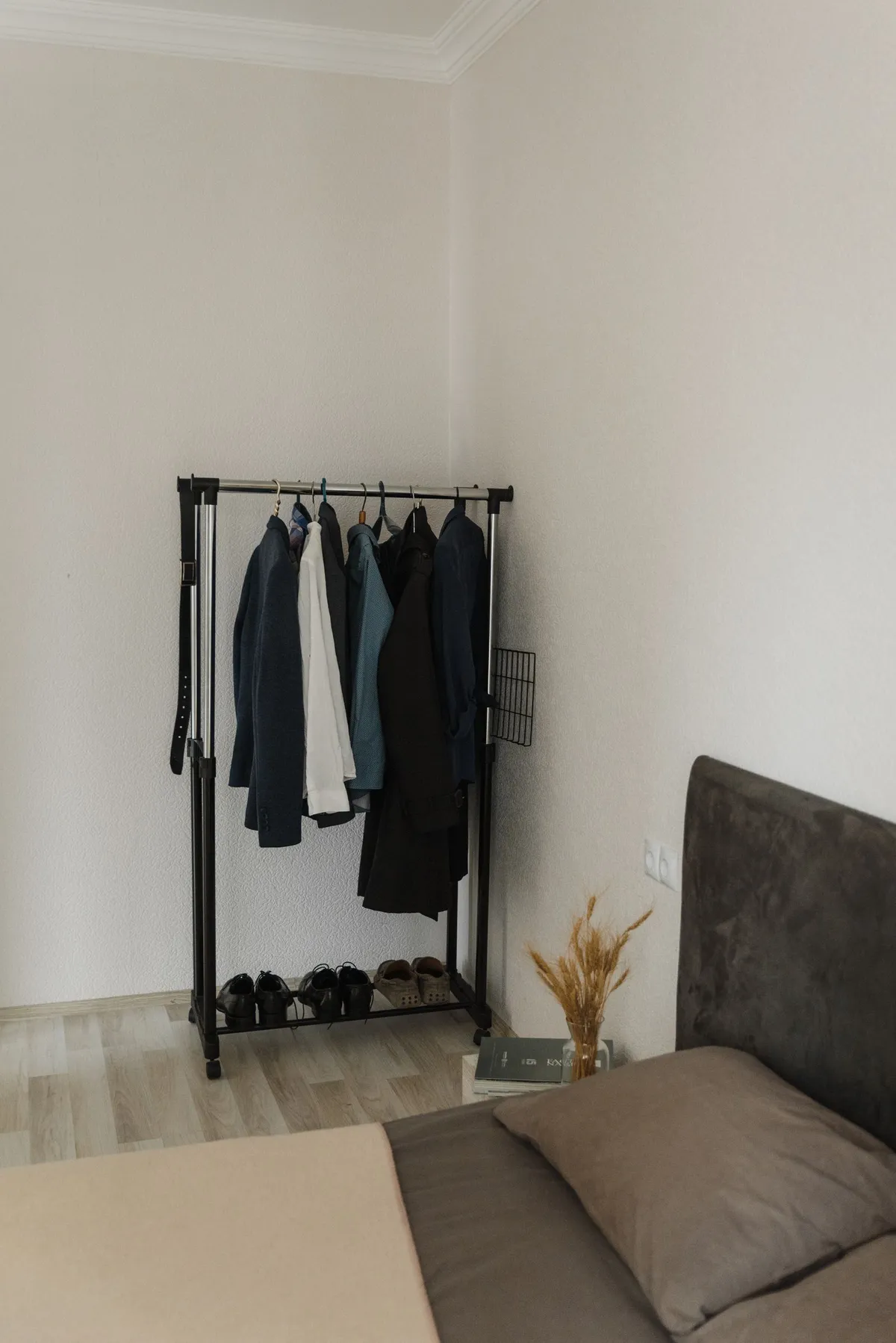
Use the colorful fall outfit ideas when a removable layer would help. A shirt that looks complete alone is especially useful when indoor and outdoor temperatures differ. Keep the alternate layer close enough that a forecast change does not require a new wardrobe decision.
Clear one surface that matters
Pick the surface that affects the start of your day: the kitchen counter, bedside table or space beside the door. Return stray items to their existing homes. If an item has no home, place it in a small decision tray and address it later. This is a quick reset, so opening every cupboard defeats the purpose.
An entryway often benefits from removing just one pair of unused shoes and hanging the bag you need tomorrow. The small entryway guide explains how to create a departure area without filling the hall with extra furniture. Clear walking space matters more than a styled display.
Keep the equipment ordinary
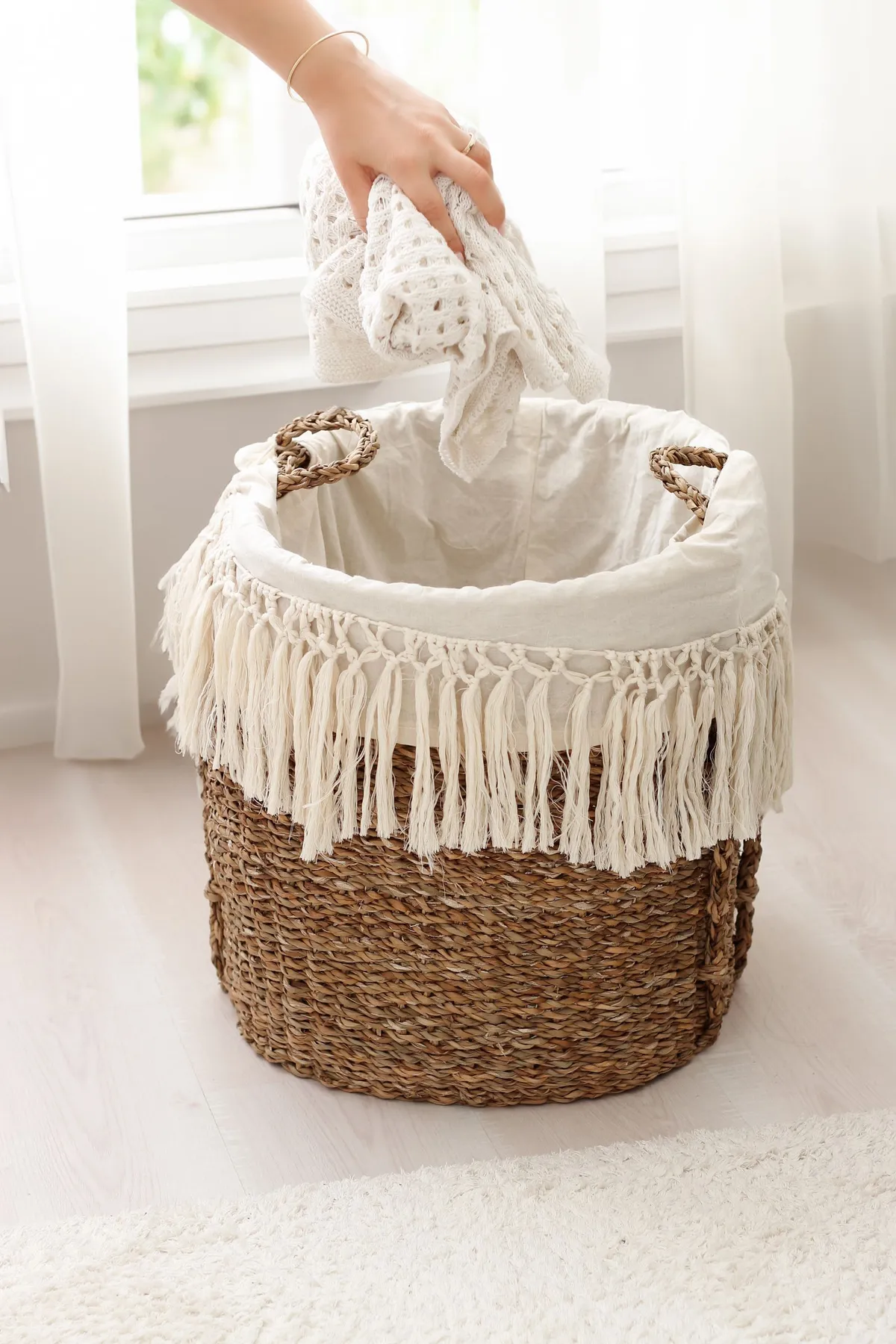
A laundry basket, a few dependable hangers and a small tray may cover the whole routine. Before buying storage, measure the available space and decide exactly what it will contain. Home retailers, hardware shops and secondhand stores are useful comparison points, but a new container cannot replace a decision about what belongs inside it.
Choose washable or wipeable materials when they will hold shoes or frequently handled objects. Avoid organizers with more compartments than you need; they can make a simple habit harder to maintain. Reuse a box for a week before purchasing a more permanent version.
Stop deliberately
End by checking that laundry has reached an appropriate stopping point, tomorrow’s essentials are ready and alarms or travel reminders are set. Then close the routine. Leave a short note for anything unfinished rather than carrying the whole list into the rest of the evening.
Some weeks will need a longer preparation session. Others will need a smaller one. Keep the reset flexible enough to survive both. A calm start is more likely when the evening includes actual rest, and a practical routine should protect that time as carefully as it protects the clean shirt.
Have a correction or a question? Contact the journal. See how we choose topics and approach shopping advice.