Shopping note: This journal carries advertisements and may earn a commission from qualifying purchases through marked commercial links. Product availability, prices and returns depend on your retailer and region. Read our disclosure.
In this story
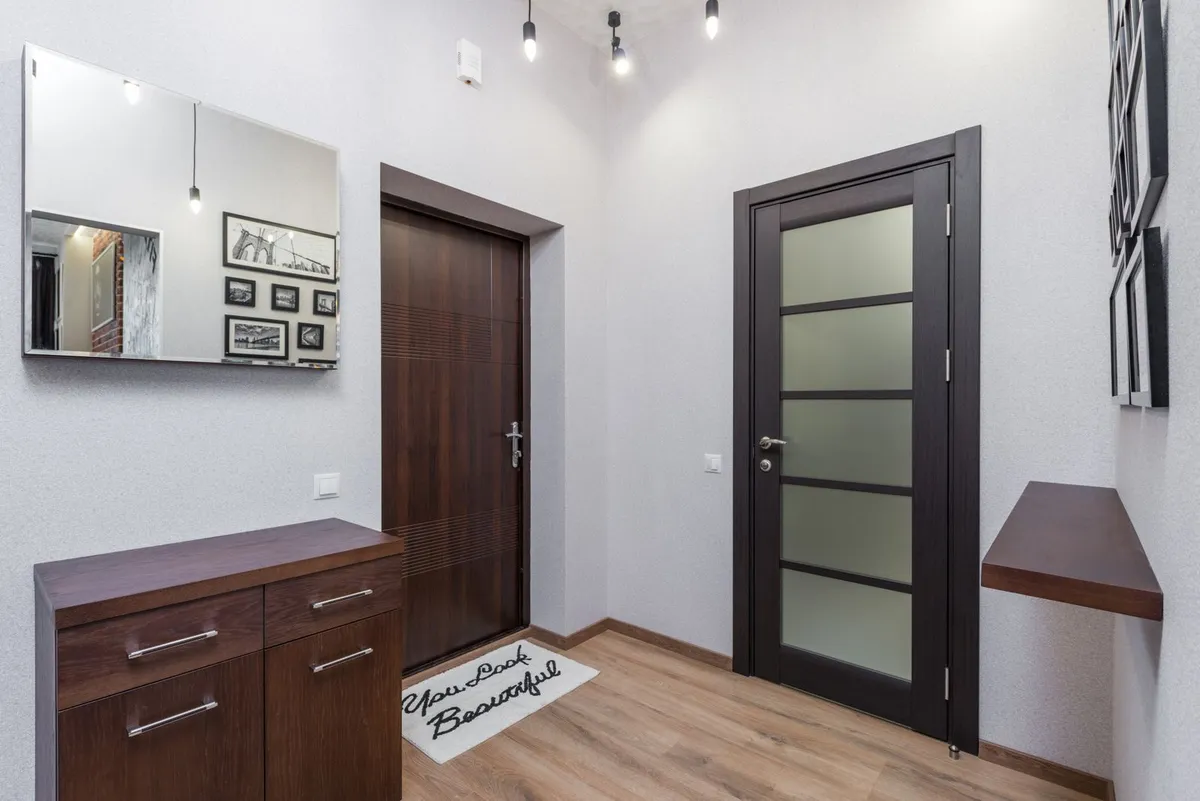
Measure the door movement firstGive daily shoes a limitCreate one reliable place for small essentialsStore the bag you actually useMake the final check visibleBuy storage after a trial weekA small entryway has an unusually busy job. It receives shoes, parcels, keys, coats and bags, often in a space that is also the only route through the home. Making it work begins with protecting that route. Storage should support arriving and leaving without asking you to navigate around it.
Watch what happens on an ordinary weekday. Notice where keys land, where a wet coat goes and which shoes remain by the door. Those habits show what the space needs more accurately than a beautifully styled console table. Start with the objects that appear every day and find another home for occasional items.
Measure the door movement first
Open the entrance door fully and check any nearby cupboard doors. Measure the usable wall and floor space with those movements accounted for. Include skirting boards, handles and radiators. A shallow cabinet can still cause trouble if its own doors open into the walking route.
Keep exits clear and follow any building or tenancy requirements. Shared corridors may have restrictions on storage that differ from the inside of your home. In a rental, use only fixtures and installation methods permitted for the surface and agreement. A hook must be appropriate for its intended load, not merely convenient to attach.
Give daily shoes a limit
Choose a modest number of pairs to keep near the entrance, based on the household’s immediate needs. A tray or shallow shelf can define that space. Remaining footwear belongs elsewhere so the entry does not gradually become the whole shoe collection.
Leave room for wet shoes to dry according to their care instructions. A closed cabinet may be less useful for freshly damp footwear, even if it makes the area look tidier. Consider a wipeable surface beneath items that bring in dirt, and clean it regularly rather than hiding the mess behind a door.
Create one reliable place for small essentials
A small tray can hold keys and a cardholder. Put it where you naturally reach when entering, provided the location is appropriate for your household’s security and privacy needs. Avoid placing every receipt and spare object there. The tray should make essentials visible at a glance.
If different people use the space, a separate small container or clearly understood section may help. Labels are optional when the system is obvious. Try a temporary dish or box before buying matching storage. The goal is a dependable habit, and a familiar object can establish it just as well.
Store the bag you actually use
A sturdy, suitable hook or an accessible shelf can prevent the daily bag from occupying the floor. Check the bag’s shape and the load before choosing hardware. Hanging a heavily loaded tote by delicate handles may be a poor long-term arrangement. A shelf can support the base while keeping the opening easy to reach.
The everyday tote checklist helps connect the bag purchase to its daily use. When the bag has a home, empty unnecessary items into their proper places instead of carrying them into another day. Keep returns or library books nearby only when they are due to leave soon.
Make the final check visible
Use a small note for an unusual item needed tomorrow. A permanent board with too much information may fade into the background. A short reminder beside the departure area can be more effective: bring the parcel, take the document or remember the umbrella.
Combine this with a Sunday evening reset if weekly preparation suits your schedule. The entryway only needs tomorrow’s essentials, not every task for the coming month. Remove reminders after they have served their purpose.
Buy storage after a trial week
Use temporary containers and observe the system for several days. Does the shoe tray block the door? Is the key dish within easy reach? Does a bag hook encourage more bags to accumulate? Adjust the arrangement before purchasing furniture.
When you are ready to shop, compare exact dimensions, attachment requirements and cleaning needs. Hardware shops, home retailers and resale sellers can all be useful sources. For secondhand furniture, inspect stability and check whether missing parts are replaceable. Follow the maker’s installation and anchoring instructions where applicable.
A useful entryway may contain very little: a shoe space, a place for a bag and a small container for essentials. That restraint is functional. It leaves room for people to move, wet items to be handled and the front door to open freely on an ordinary busy morning.
Have a correction or a question? Contact the journal. See how we choose topics and approach shopping advice.