Shopping note: This journal carries advertisements and may earn a commission from qualifying purchases through marked commercial links. Product availability, prices and returns depend on your retailer and region. Read our disclosure.
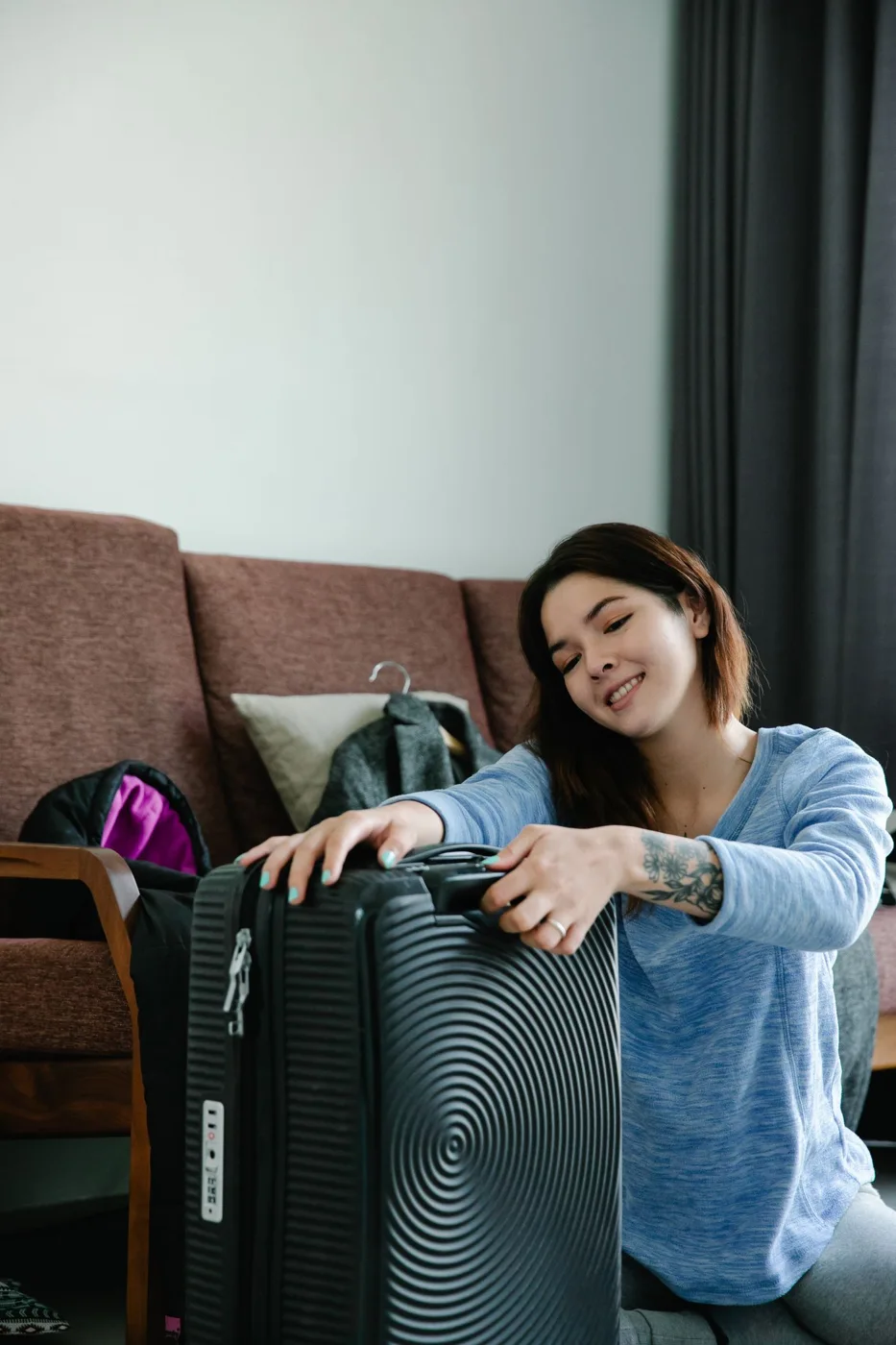
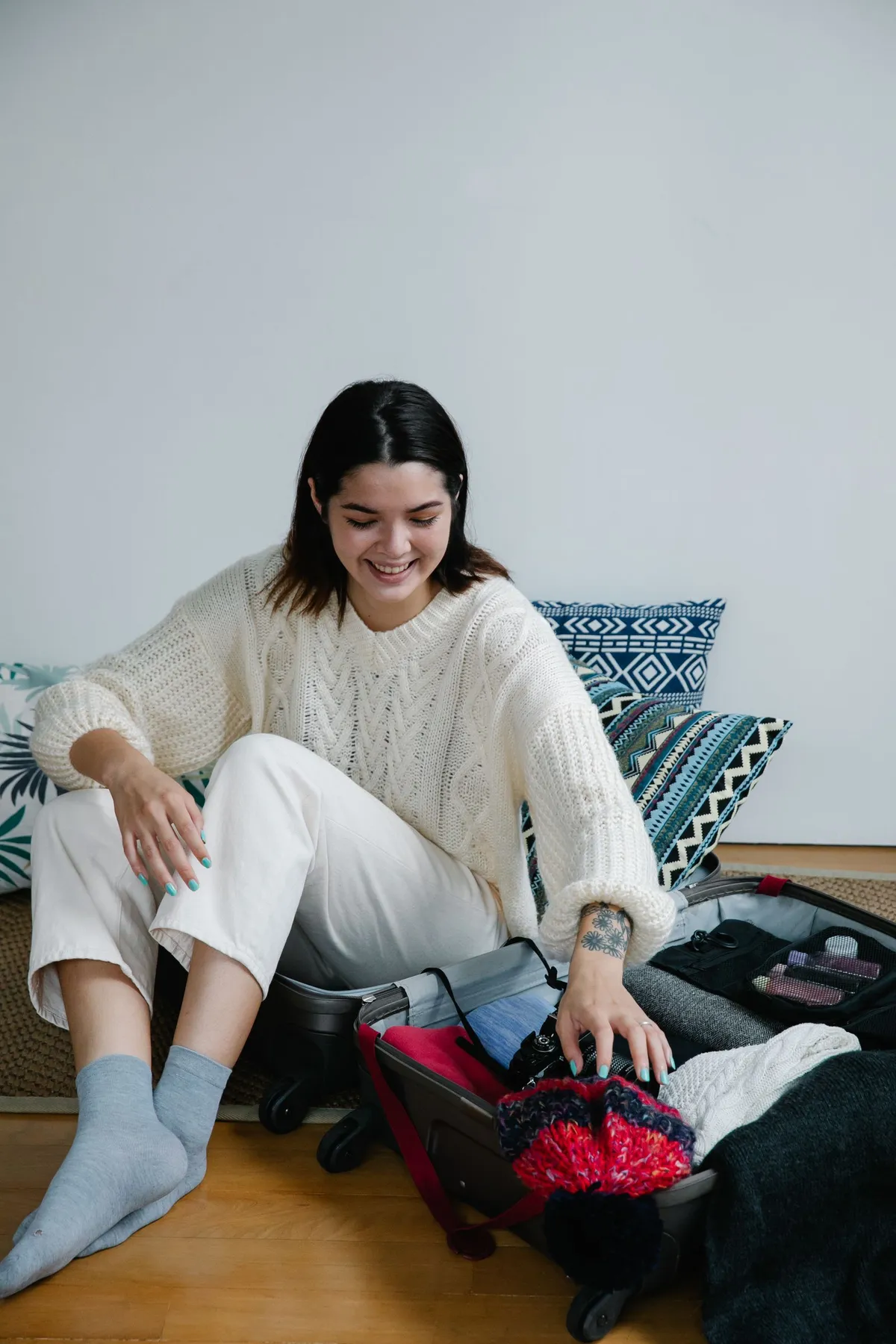
By the middle of a trip, the suitcase may contain three kinds of clothing that look almost the same: clean, worn once and usable again, and ready for laundry. If they all return to the same stack, dressing becomes a guessing exercise. A simple used-clothes section can keep the bag understandable without demanding a complicated organizer system.
Start with the length of the trip and your actual laundry arrangements. Check garment care instructions and any confirmed facilities before relying on washing away from home. The aim is to distinguish condition and next use, not to apply a universal rule about how many times every item can be worn. Your circumstances and preferences matter.
Create clear categories
Keep clean clothes together and choose a distinct place for items needing laundry. A third place for worn items you intend to use again can help if that fits your routine. Use a recognizable pouch, compartment, or storage position. Labels are optional when the arrangement is obvious, but they can help in shared luggage.
Do not create more categories than you can maintain. A tiny bag may only need clean and separate used items, with decisions made each evening. The system should make the next outfit easier to choose. If it requires sorting every garment into several theoretical levels of wear, simplify it.
Handle moisture separately
Damp clothing needs appropriate care and drying according to the label. Do not seal it among dry used items and assume the laundry bag has solved the problem. If you must move before it is dry, use suitable temporary separation and attend to it promptly at the next appropriate place.
Check for sand, dirt, or spills before returning a piece to the worn-again section. A garment that looks fine from the front may still need attention elsewhere. Follow suitable care guidance rather than applying improvised treatments to every mark. If you are uncertain whether it is ready to wear, make a clear decision instead of hiding it in the clean stack.
Choose a bag that fits the contents
A laundry pouch can be useful if it is suitable for the materials and conditions involved. Check its care instructions, closure, and capacity. Do not compress garments beyond what is appropriate simply to preserve a neat suitcase shape. A very small pouch may turn the system into a daily struggle.
An existing lightweight bag may perform the role without a new purchase. Consider whether it keeps the sections distinct and can be cleaned as needed. Keep shoes and potentially leaking items separate according to their own requirements. One container should not become a miscellaneous dirty corner for everything in the luggage.
Make an evening decision
After changing, check pockets and decide where each item belongs. Return tickets, valuables, and small accessories to their appropriate places. Put clothing into its section while the decision is fresh rather than leaving a chair pile that becomes confusing the next morning.
If a piece is intended for another wear, give it appropriate airing or storage as its care guidance permits. Keep shared room space clear and follow accommodation rules. Do not hang garments from unsuitable equipment or block routes. A small wardrobe system should remain considerate of the room and anyone sharing it.
Connect the system to laundry
When washing, take only the relevant items and follow their care labels and equipment instructions. Keep clean and used containers handled appropriately so the distinction remains useful afterward. Allow realistic drying time before the next outfit depends on the garment. A perfectly organized laundry section cannot make an unsuitable schedule work.
At the end of the trip, pack with home unpacking in mind. Make items requiring prompt attention easy to remove. Check the worn-again section rather than returning it automatically to the wardrobe. Travel condition and home storage are separate decisions, and a few minutes of care can keep the next week easier.
Do I need separate bags for every traveler? Only if that improves clarity and does not create unnecessary bulk. Should all worn clothes go straight to laundry? Decide according to condition, activity, care, and your preferences. What if the bag is full? Reassess packing volume and the laundry plan rather than forcing damp or overcompressed items into the system.
Our clothing care routine helps with the broader process. The weekend carry-on guide starts the bag with a manageable amount. A used-clothes section succeeds when every piece has a clear next step and tomorrow's clean outfit is easy to find.
Have a correction or a question? Contact the journal. See how we choose topics and approach shopping advice.