Shopping note: This journal carries advertisements and may earn a commission from qualifying purchases through marked commercial links. Product availability, prices and returns depend on your retailer and region. Read our disclosure.
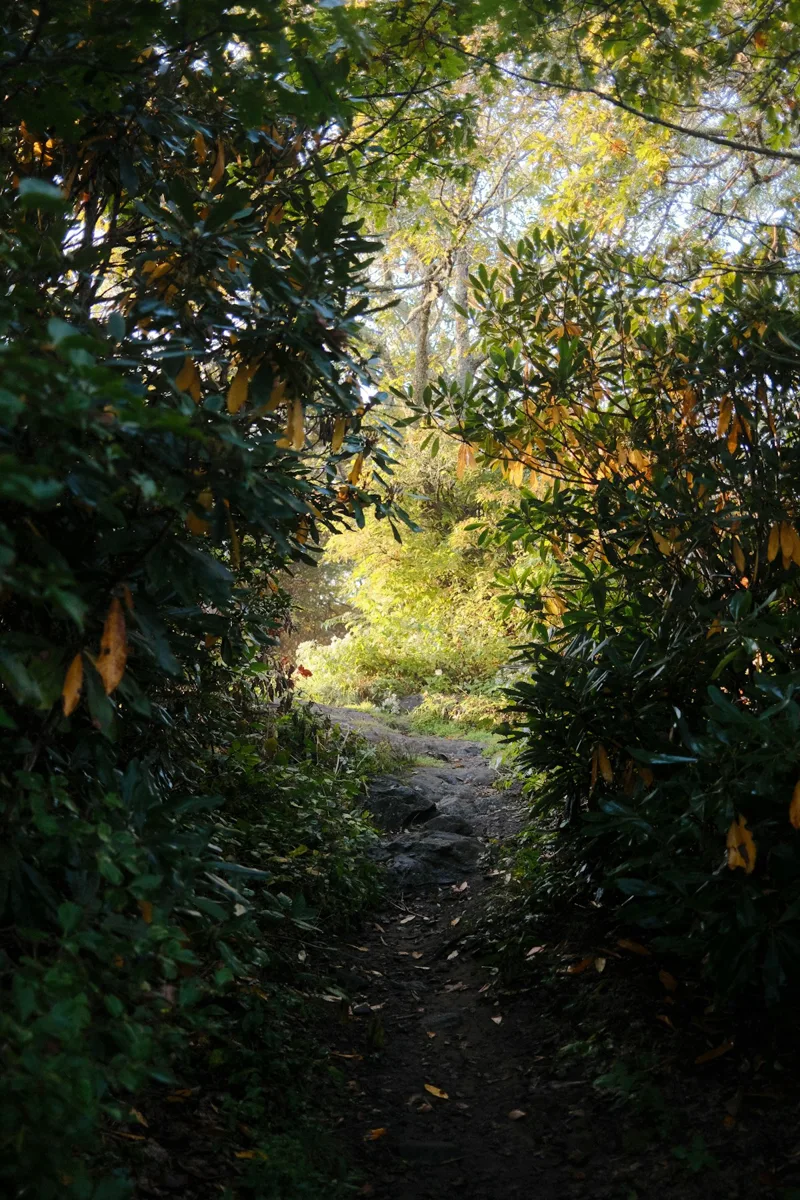
A woodland walk can become longer than intended when the group keeps assuming the next bend will provide a natural ending. Agree on a turnaround decision before starting. The decision should reflect the actual route, conditions and walkers' needs rather than a promise to reach a particular photograph.
Understand the route first
Use current information from the relevant land manager or official route provider. Check access, closures, terrain and any guidance that affects the outing. Choose a walk suited to the group's abilities and equipment, and seek appropriate advice where needed. A green path in a picture does not establish an easy or accessible route.
Distinguish a circular route from an out-and-back walk. The return commitment can be different, and an appealing destination may be only part of the effort required. Do not use a map's straight-line distance as a substitute for understanding the actual path and its current condition.
Agree on the decision point
Choose a clear permitted point or a time to review the walk, based on the route and the group's needs. Include the return journey and any fixed commitment afterward. The agreement should allow an earlier return if conditions or a person's comfort change; it is a guide to discussion, not an obligation to continue until the marker.
If people prefer different paces, discuss that before setting off. Keep an appropriate group arrangement and communication plan for the setting. The garden visit planning guide offers useful questions about fixed commitments and flexible time, though a woodland route has its own access and outdoor considerations.
Make the pause useful
At the agreed point, stop somewhere suitable without blocking the path. Review how everyone feels, the conditions and the remaining return. Avoid asking only the most enthusiastic walker whether to continue. A quiet request to turn back deserves a real place in the decision.
Keep any food, drinks or equipment used during the pause appropriate to the outing and follow relevant guidance. Manage waste and belongings responsibly. The personal-item organisation guide illustrates the value of a small accessible working set, while outdoor equipment choices must remain suited to the actual route.
Let the return be part of the walk
Notice the path from the opposite direction rather than treating it as wasted time. Keep attention on navigation and conditions, following the route's actual guidance. A familiar-looking section can still require care, especially if light or weather changes.
Does turning back mean the outing failed? The agreed purpose may be fresh air, conversation or a modest period outdoors rather than a named summit or viewpoint. Choose the route and decision process accordingly. A satisfying woodland walk ends with the group and its needs accounted for, not simply with proof that everyone reached the furthest point someone imagined before leaving home.
Have a correction or a question? Contact the journal. See how we choose topics and approach shopping advice.