Shopping note: This journal carries advertisements and may earn a commission from qualifying purchases through marked commercial links. Product availability, prices and returns depend on your retailer and region. Read our disclosure.
In this story
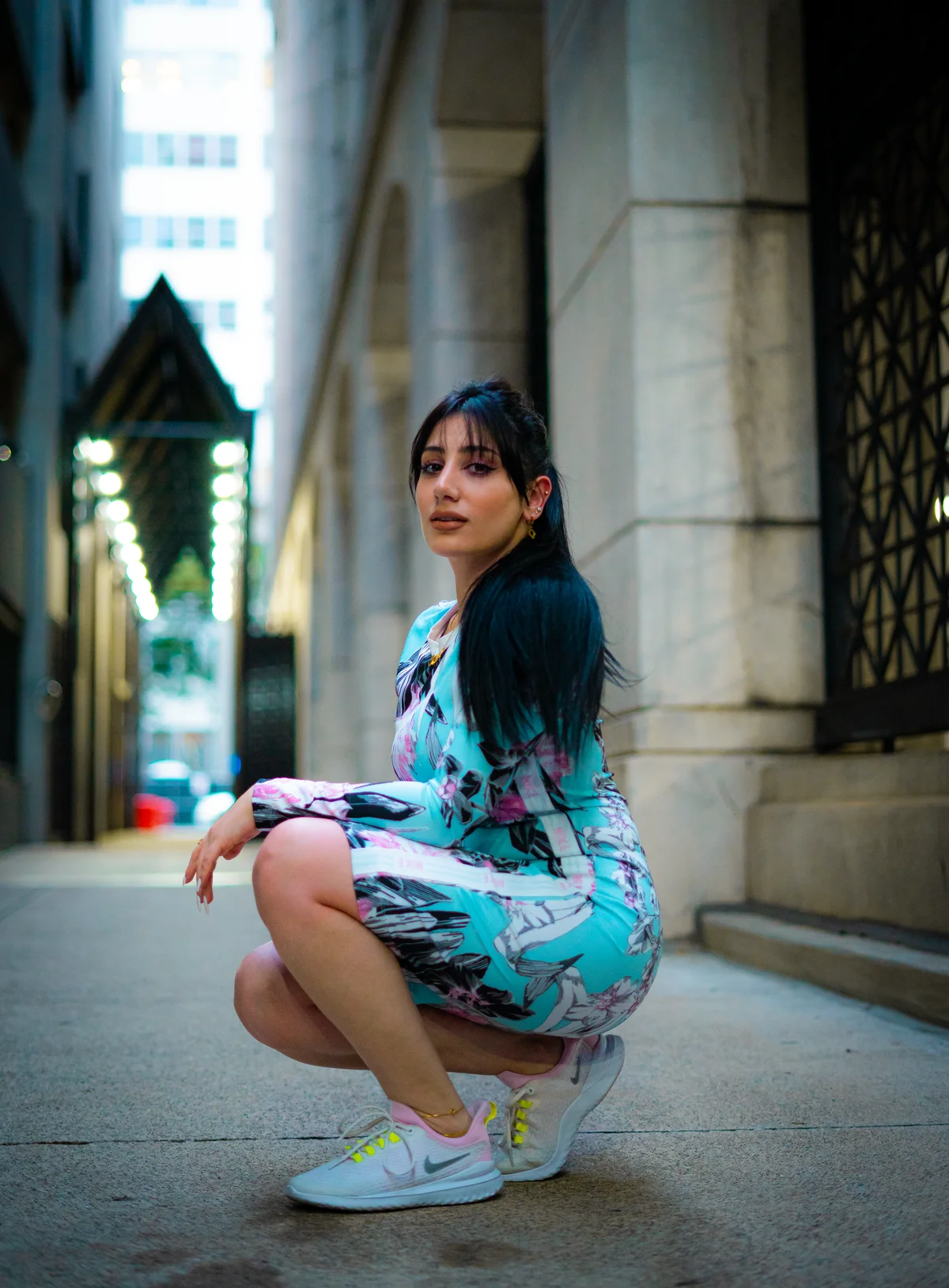
Start with the dress in motionCompare three starting combinationsDecide what the socks contributeAdd one layer with a clear jobMatch the bag to the walking dayMake one targeted purchase at mostA dress and sneakers can cover a Saturday that starts at a market, continues with lunch and ends with a walk through the neighborhood. The combination becomes easier when each piece serves that schedule. You need a hem that moves freely, shoes suited to the distance and a layer that works when the weather changes. The goal is a comfortable outfit with a clear shape, rather than a formula that requires buying every piece again.
Start with the dress in motion
Walk, sit and climb a step in the dress before deciding what shoes it needs. A skirt that catches around the knees can restrict your stride regardless of its length. A generous midi with enough movement may feel easier than a shorter, narrower style. Check any slit while sitting as well as standing, especially if you expect a long lunch on low outdoor chairs.
Pay attention to fabric weight. A light cotton dress and a substantial sneaker create a different visual balance from a soft jersey column and a slim shoe. Neither combination is automatically wrong. Try them together in a full-length mirror and look at whether the shoe’s volume feels intentional. The most useful adjustment may be a different shoe you already own.
Compare three starting combinations
| Dress shape | Sneaker starting point | Detail to check |
|---|---|---|
| Relaxed midi with a full skirt | A relatively simple low-top | Whether the hem moves freely around the shoe |
| Straight jersey dress | A shoe with enough structure for your walking plans | Whether the overall outfit needs a defined layer |
| Short shirt dress | A low-top with socks you enjoy wearing | Coverage when sitting and reaching |
Use these as fitting prompts, not rules about body shape. Sock height, the dress’s exact length and your preference can change the result. Take a photograph from a normal standing distance if the mirror angle is misleading. Compare two versions, then keep the one you would happily wear through the whole day.
Decide what the socks contribute
Invisible liners create a cleaner visual line if they stay in place and feel comfortable. Visible socks can connect the shoe to a cardigan, bag or stripe in the dress. A plain ankle sock often reads more casually than a delicate liner; that can be useful for a weekend outfit.
Do not choose socks solely because they disappear in a photograph. Check bunching, seam placement and how they behave when you walk. If a shoe rubs without socks, the answer may be a sock change or a different shoe. An outfit should not depend on ignoring an uncomfortable heel for several hours.
Add one layer with a clear job
A cropped denim jacket can define the waist of a loose dress without adding much length. An open cotton shirt gives more coverage and can be easier to fold into a bag. A cardigan offers another option, but a long cardigan with a long dress may create more fabric than you want while moving through a busy market.
Try the layer buttoned and unbuttoned. Check sleeve comfort while carrying your bag, and make sure the dress sleeves do not bunch underneath. The cotton shirt buying guide explains opacity and shoulder fit if you are considering a shirt that will work both alone and as a layer.
Match the bag to the walking day
A crossbody keeps your hands available, although its strap can change how the dress falls. An everyday tote holds more, but filling it heavily may make a leisurely outing less pleasant. Put your likely contents inside before deciding. A water bottle, light layer and purchases occupy more room than the empty bag suggests.
For a longer outing, read the everyday tote checklist before buying a larger bag. More capacity is useful only when its weight and carrying style still suit the day.
Make one targeted purchase at most
Build the combination from your wardrobe first. If it repeatedly fails, identify the specific reason: the dress lacks movement, the shoes feel too narrow or the layer is too warm. Shop to solve that problem. Check garment measurements and the return window, and resist adding multiple nearly identical sneakers to reach an imagined perfect proportion. The outfit works when you can get dressed, leave home and concentrate on the plans ahead.
Have a correction or a question? Contact the journal. See how we choose topics and approach shopping advice.