Shopping note: This journal carries advertisements and may earn a commission from qualifying purchases through marked commercial links. Product availability, prices and returns depend on your retailer and region. Read our disclosure.
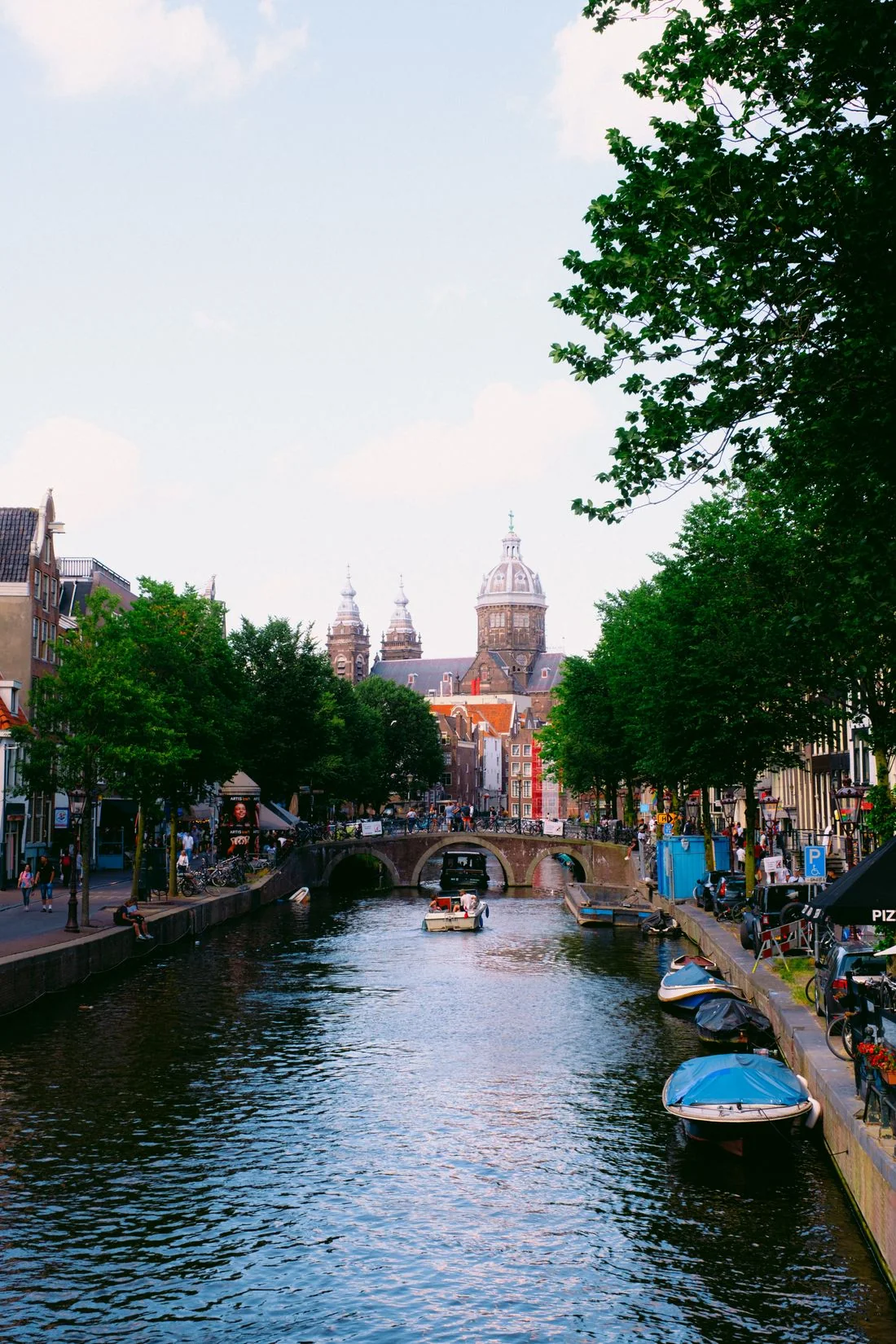
A canal scene can suggest a horizontal photograph because the buildings stretch across it, while the water may create a strong direction into the distance. Compare both orientations before choosing which relationship matters to your account. The decision is not about applying a rule that waterways belong in one kind of frame. It is about understanding whether this particular image concerns the channel’s direction, the surrounding facades or their relationship together.
Name the main subject
Look at what first caught your attention. A bridge might connect the sides of the scene, a line of buildings might create a strong band, or the water might carry the eye towards a distant opening. Describe that visible relationship before comparing versions.
Work from a permitted, appropriate position and follow local instructions. Do not lean into an uncertain position or obstruct other people to reproduce an angle. If only one orientation can be made appropriately, that limit is part of the actual photographic task.
Compare what each view includes
In a horizontal version, notice how much of the surrounding street or waterfront enters the image. Does that context support the subject or make the important detail difficult to find? More included information is not automatically more useful information.
In a vertical version, look at the relationship between foreground water and the distance. It may strengthen the direction you wanted, or add a large area that contributes little to the image. Decide from the actual frame rather than assuming a taller view always creates more depth.
Keep the comparison controlled
Use suitable photographs made from an appropriate similar position where possible, so you can understand what the orientation changes. If the light, viewpoint and subject all change, recognise that the preference may concern those differences as well.
The ordinary cup photography guide offers another way to compare a subject’s relationship with the space around it. A canal is larger, but the visual question remains concrete: what do the boundaries of this frame help the viewer notice?
Choose for the intended use
A single image and a group of weekend photographs may need different contributions. A horizontal view could establish the setting while another image concentrates on a smaller relationship. You do not need to keep two versions merely because you made both orientations.
The rainy city weekend guide provides a wider context for letting the actual visit shape the day rather than pursuing an idealised view. Give the canal photograph a clear role: a setting, a directional view or an observation about buildings beside water. Keep location names and other factual context within reliable information. The chosen orientation should make the visual account more understandable, rather than invite an invented story about the whole waterfront.
Have a correction or a question? Contact the journal. See how we choose topics and approach shopping advice.