Shopping note: This journal carries advertisements and may earn a commission from qualifying purchases through marked commercial links. Product availability, prices and returns depend on your retailer and region. Read our disclosure.
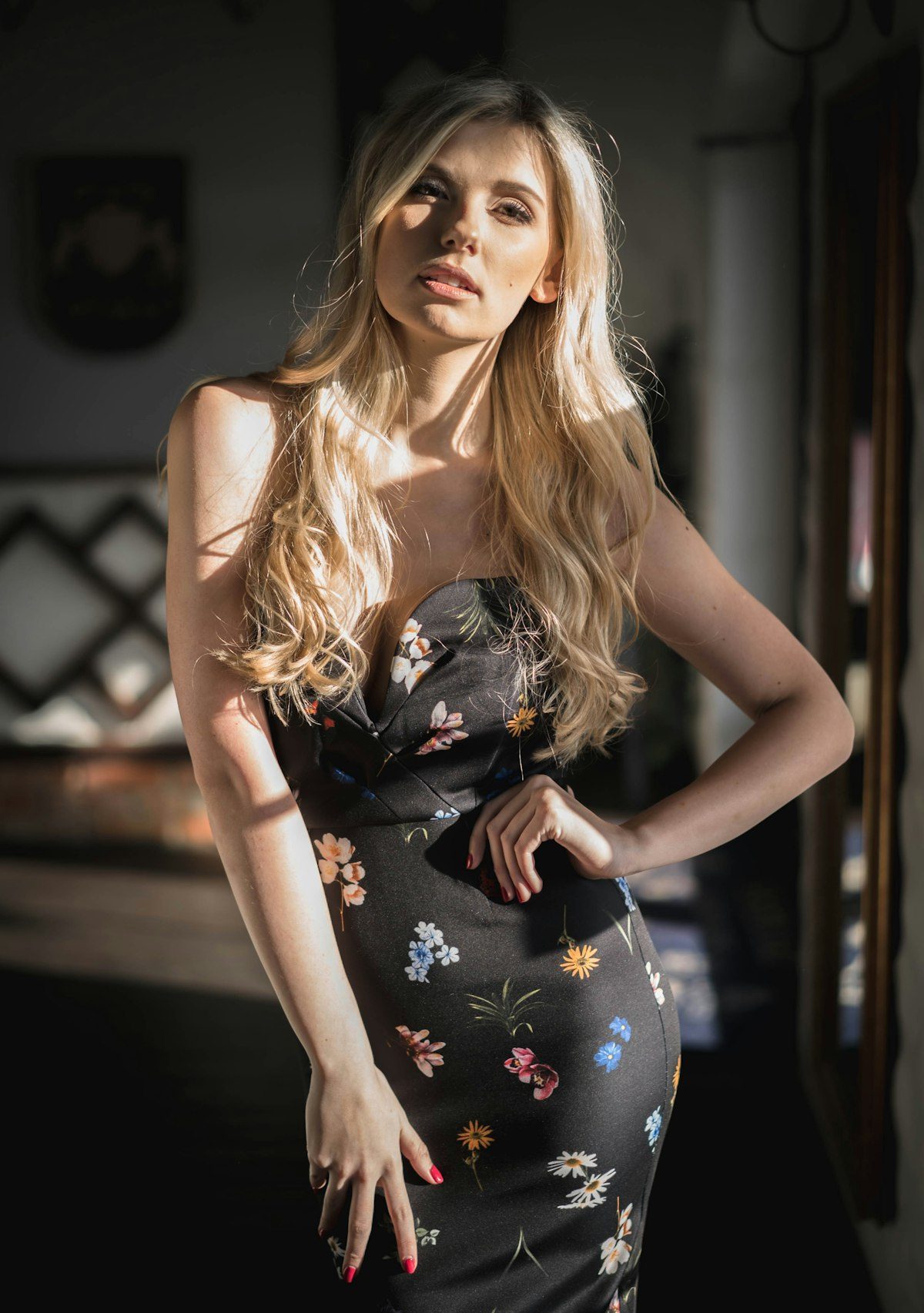
A dress with a visible waist detail may already have the focal point an outfit needs. Before adding another belt, large necklace or decorative layer, look at what the actual garment is doing. A tie, seam relationship or existing feature can become less legible when several unrelated details compete around it. Choose supporting pieces through the complete dress rather than assuming every outfit needs an added accessory to look finished.
Identify the existing feature
Describe the actual waist detail without guessing its construction. A tied element may be part of the garment or a separate supplied piece; establish that from the product’s information. Do not detach or rearrange an unfamiliar component simply because a photograph suggests another styling possibility.
Decide whether you want that feature to remain visually prominent. If it is one of the reasons you like the dress, make it part of the outfit decision rather than allowing an added layer to cover it by accident. You may also choose a different focus, but let that be deliberate.
Compare the outer layer
Try the intended outer layer in its appropriate normal arrangement. Notice whether its hem or opening creates a new horizontal line near the existing detail. That line may support the relationship you want, or make the area look busier than you prefer.
Compare with another existing layer if useful, keeping the dress and other accessories the same. The jacket layering guide covers practical questions that remain separate from this visual choice. A pleasing waist relationship does not establish that the whole layered outfit works for its intended use.
Add accessories one at a time
Bring in the bag before adding extra jewellery. Look at the position of visible straps and decorative pieces alongside the dress’s feature. Avoid assuming that matching every metal colour or repeating every motif is necessary. The aim is an understood arrangement, not a checklist of perfectly repeated details.
If you consider an additional accessory, use it only as its own instructions and the garment’s requirements allow. Do not improvise an attachment or fastening on a delicate or borrowed dress to reproduce a styled image. An existing feature can provide enough detail without modification.
Keep the complete view
Review the outfit from more than one ordinary angle and in the positions relevant to wearing it. The front, side and back dress guide provides a broader way to see the actual garment instead of judging one favourable view.
A private reference photograph can record the final supporting pieces if that helps you remember the combination. Include enough of the dress to show why the waist detail works within the whole outfit. Once that relationship is clear, stop adding decoration by habit. The dress’s own design can be the considered choice that finishes the look.
Have a correction or a question? Contact the journal. See how we choose topics and approach shopping advice.