
Shopping note: This journal carries advertisements and may earn a commission from qualifying purchases through marked commercial links. Product availability, prices and returns depend on your retailer and region. Read our disclosure.
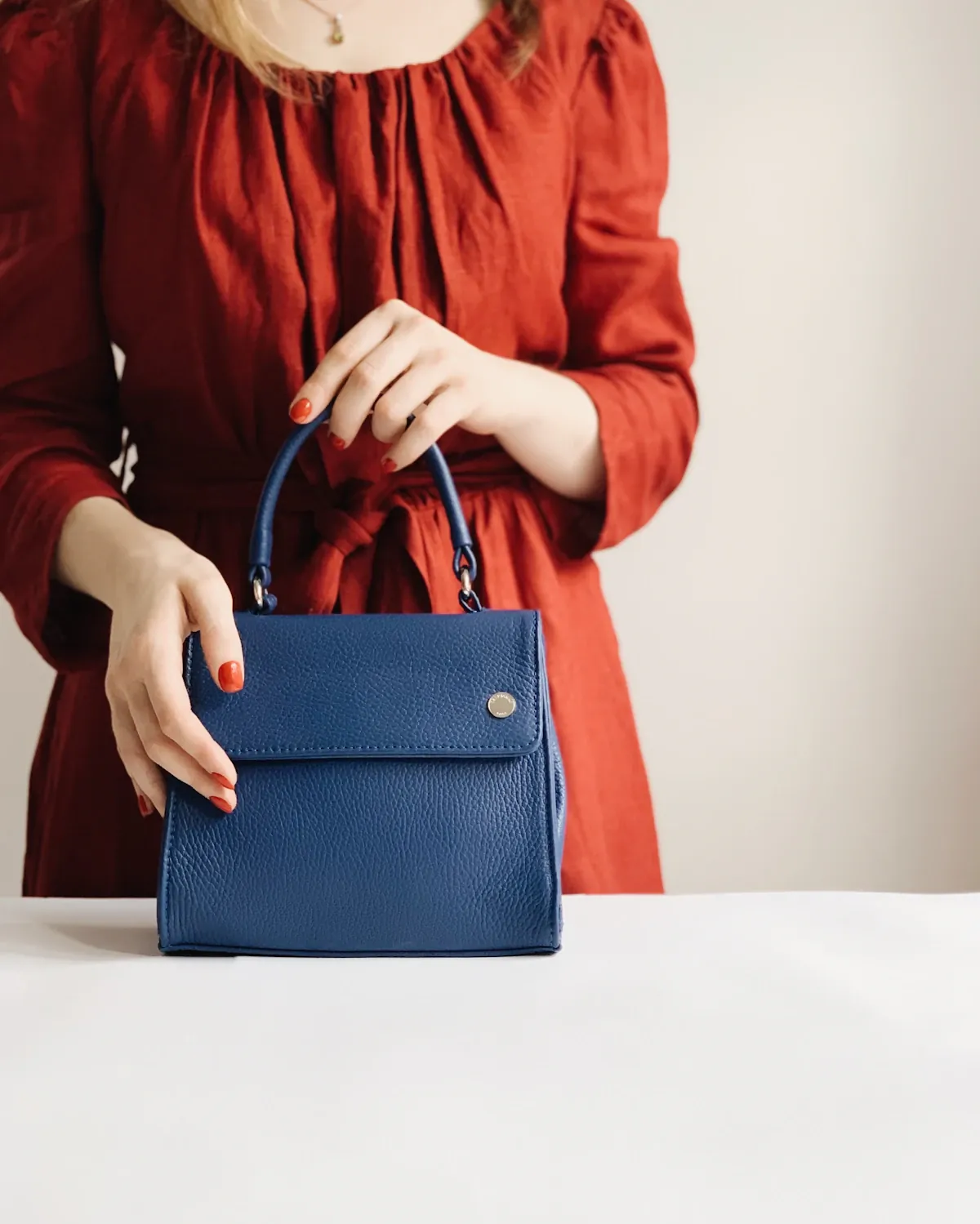
Handbag handles need to work with the sleeves you actually wear. A handle that feels manageable over a thin top can meet a different amount of fabric when a coat or full sleeve is added. Try the intended combination before choosing the bag through dimensions that describe the object but not its relationship to your outfit.
Define how you intend to carry it
Read the bag maker's intended use and identify the carrying method you want to assess. Do not assume a short handle is designed to sit on a shoulder or that a detachable strap makes every arrangement appropriate. Use the product as intended and leave personal comfort judgments with the wearer.
The everyday tote checklist helps connect the bag to its actual contents. A handle trial should use a realistic permitted load where possible, since an empty display bag does not represent the whole carrying experience.
Bring the intended sleeve
Try the coat, jacket or top that will usually accompany the bag. Notice where fabric gathers near the handle and whether the intended carrying position remains manageable. Avoid pulling the sleeve into an unusual shape just to make the bag appear to fit the outfit.
Check both sides if you expect to alternate carrying. Your own movement and preferences may differ, so a comfortable position on one side should not silently become a promise about every use. Keep the trial within the seller's rules and the products' intended operation.
Include a normal retrieval
Take out a suitable everyday item and return it through the bag's actual opening. Notice whether managing the handle and sleeve changes that task. A design can be easy to carry while still making the chosen retrieval awkward, particularly when another layer occupies the opening area.
The wallet-size guide offers a related comparison with an object you may access often. Keep the bag, handle, sleeve and actual contents together in the assessment instead of evaluating each under ideal empty conditions.
Check the arrival transition
Imagine putting the bag down appropriately and removing the outer layer. Does the handle or sleeve catch during the ordinary sequence? Try the movement in a suitable place rather than relying on a static mirror view. If it remains awkward, compare another existing outer garment or another intended carrying option before shopping again.
Read care information before allowing unfamiliar fittings to rub against a delicate textile, and seek accurate product advice when a question matters. Record a successful combination using the actual pieces, not a general rule about handle length. A useful handbag choice fits the wearer's routine through carrying, retrieval and removal, with the sleeve relationship tested as part of the real outfit rather than discovered on the first busy day out.
Have a correction or a question? Contact the journal. See how we choose topics and approach shopping advice.