Shopping note: This journal carries advertisements and may earn a commission from qualifying purchases through marked commercial links. Product availability, prices and returns depend on your retailer and region. Read our disclosure.
A jewelry box should be compared with the collection you actually store, not only with the way its empty compartments look. Different pieces have different product-specific requirements, and a coordinated display is not proof of suitable storage. Begin with an understood selection and the relevant care information, then decide which box genuinely supports the routine you want.
Identify the actual pieces and their roles
Review what you own and which items you regularly use. Keep borrowed pieces distinct from personal belongings and clarify any uncertain ownership before reorganizing. A decorative object should not quietly become communal property because it has moved into a shared box.
Preserve relevant product identity and care information. Do not label a material from colour or apparent texture alone. If a piece has an important storage requirement you do not understand, seek an appropriate dependable answer before assigning it to the most convenient compartment.
Read the box's own information
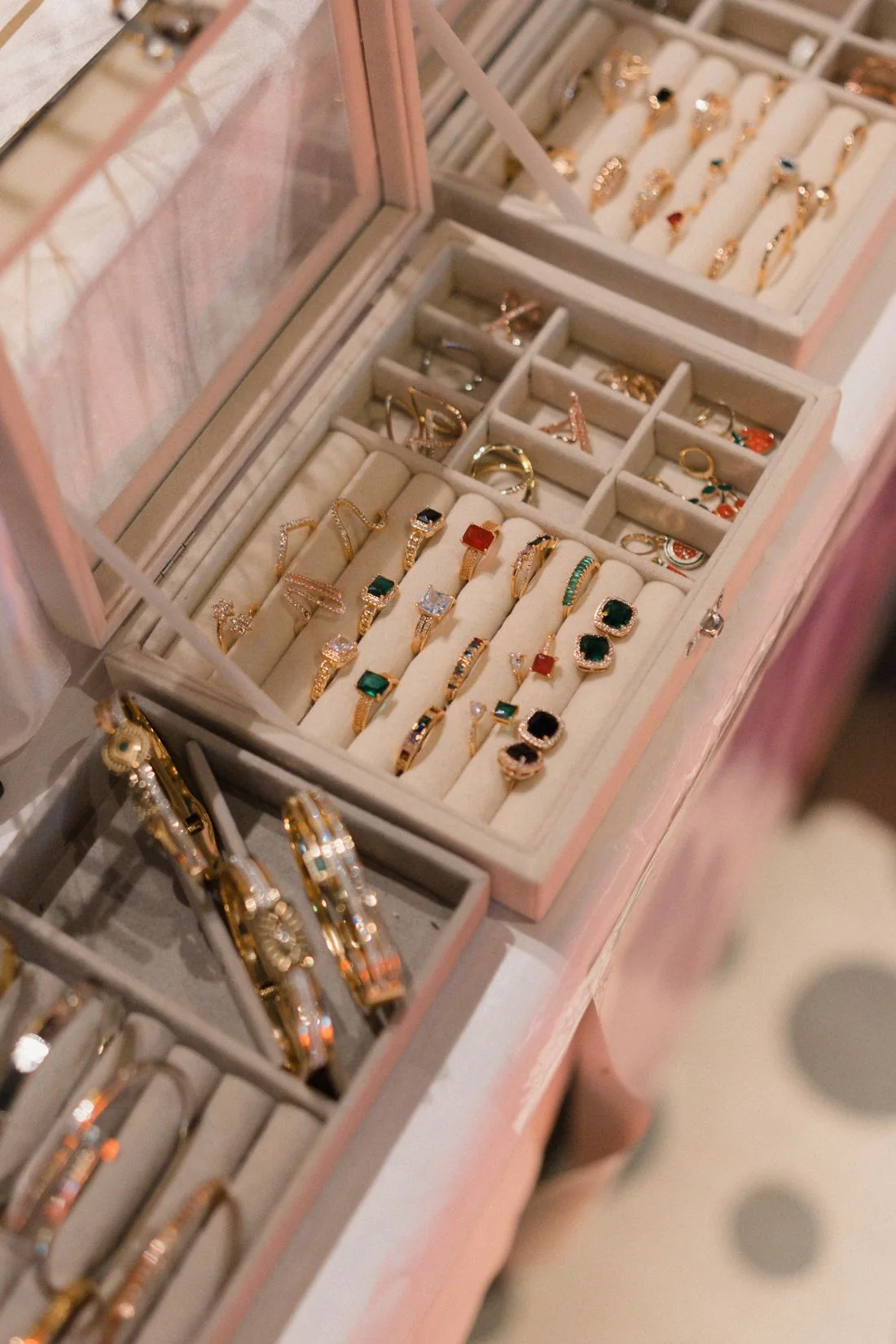
Check dimensions, materials, intended use and any relevant care or assembly requirements. A compartment shown with a ring in a retail photograph does not establish that every ring or other piece belongs there. Keep the actual product guidance alongside the appearance you enjoy.
Measure the intended location and access needed to open the box. Include a lid, drawer or projecting feature rather than looking only at the closed footprint. A box that fits on a shelf may still be awkward to use if every opening requires moving unrelated belongings.
Compare a small real selection
Where permitted and appropriate, consider how your actual pieces would use the intended sections. Keep the objects' own requirements central and avoid forcing them into a shape merely to reproduce a styled arrangement. A larger compartment is not automatically better if it makes pieces difficult to identify or appropriately separate.
The necklace and collar guide addresses a different stage of wearing. The box serves the return between uses, so the piece needs an understood storage role as well as an outfit you enjoy.
Keep ready status understandable
Follow the actual care routine before returning an item to its ordinary place. Do not use a neat compartment to conceal an unresolved repair or cleaning question. Keep anything awaiting attention distinct through an appropriate arrangement and a clear next action.
If several people use the storage area, explain whose pieces and permissions are involved. A box's accessible location does not grant permission to borrow a personal accessory or move it into another person's collection.
Choose through the whole ownership routine
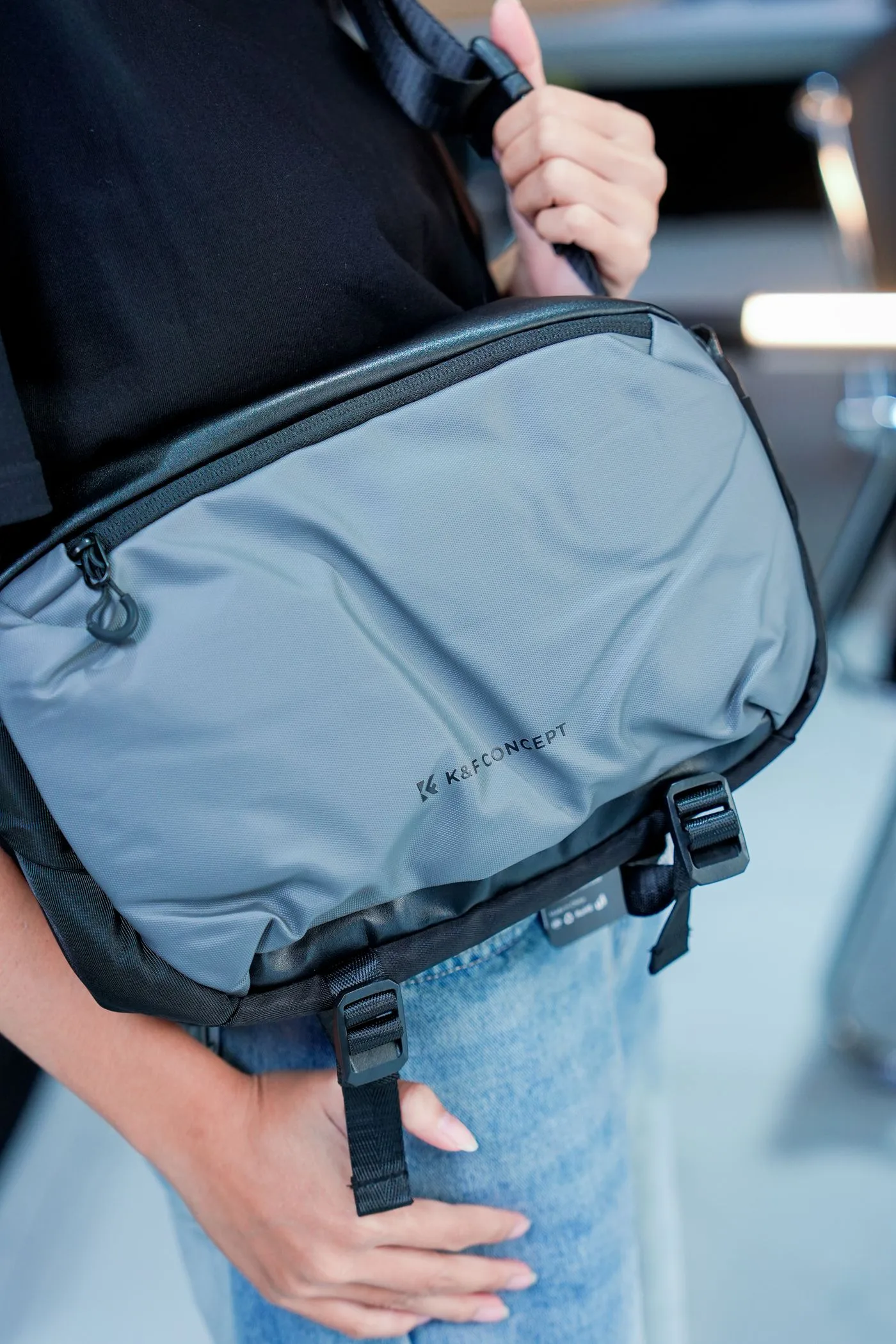
The everyday bag storage guide offers a useful general principle about ready access, although jewelry needs its own actual product requirements. A storage object should make the relevant item easier to identify and return, not simply add another decorative container.
Review the arrangement after ordinary use and change only what answers a real difficulty. A useful jewelry box has a clear relationship to known pieces, appropriate care and an accessible location, leaving its decorative appearance as a pleasure within a routine that already makes sense.
Have a correction or a question? Contact the journal. See how we choose topics and approach shopping advice.