Shopping note: This journal carries advertisements and may earn a commission from qualifying purchases through marked commercial links. Product availability, prices and returns depend on your retailer and region. Read our disclosure.
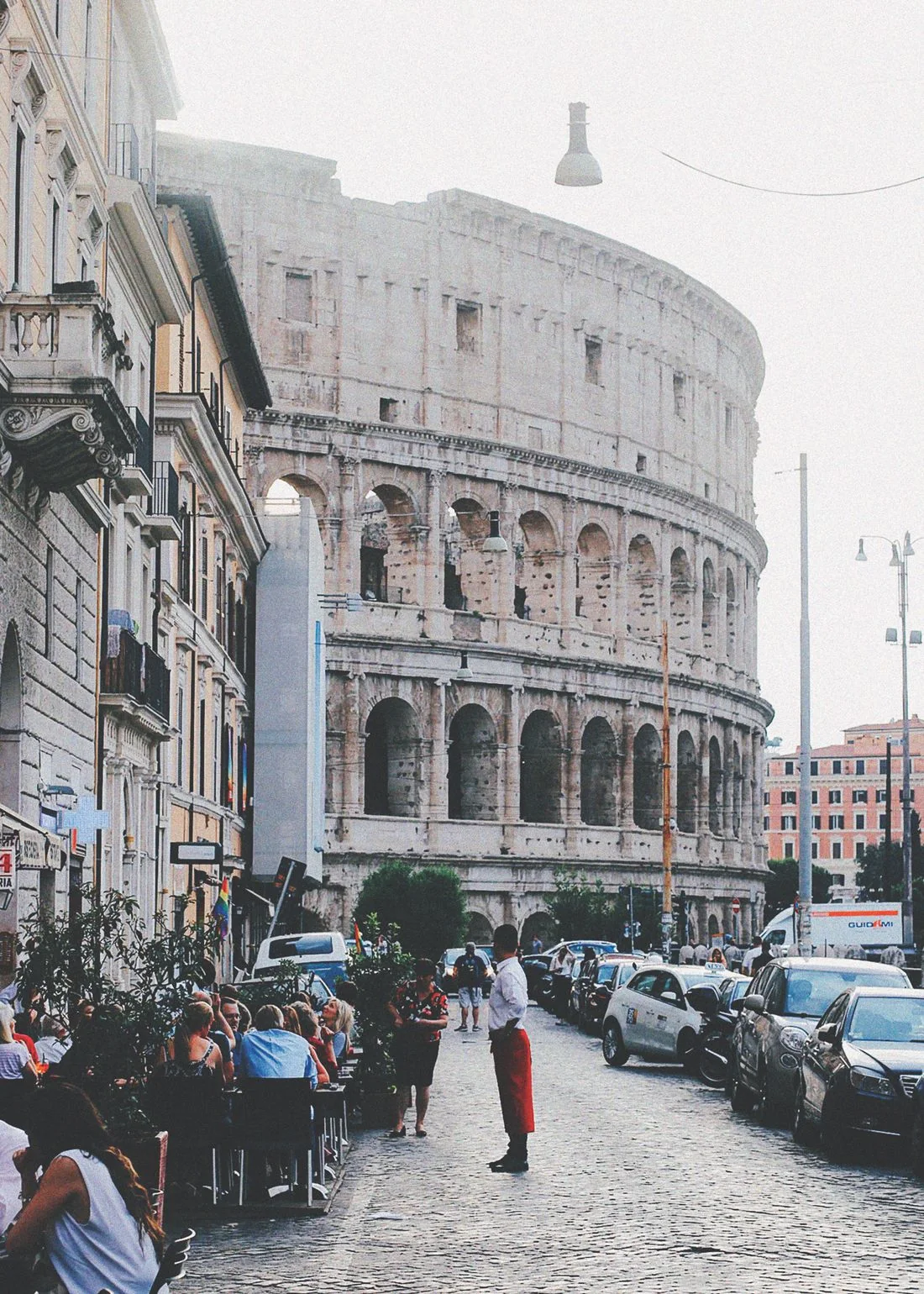
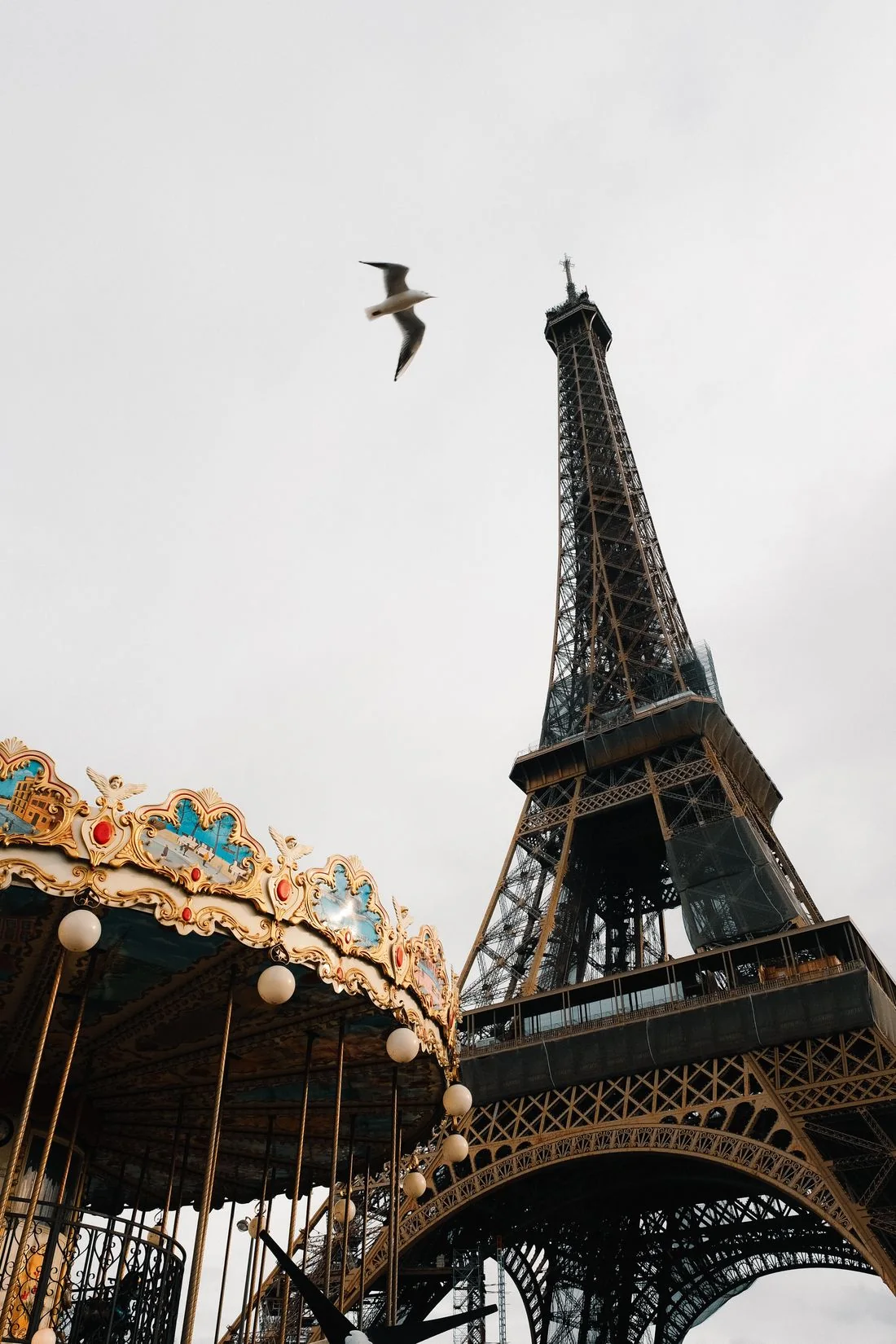
A familiar landmark can share a photograph with a smaller detail that changes the image’s emphasis. A carousel below a tower, a nearby roofline or a foreground shape may be part of why the view interests you. Look at that relationship before assuming the landmark must dominate every frame. The aim is not to make a famous subject unrecognisable, but to choose the particular observation your photograph will preserve.
Name the smaller detail
Describe what you actually see and why it attracted you. A curve in the foreground may contrast with a tall structure, or a bright decorative area may sit beneath a quieter sky. Ordinary visual language can explain the relationship without adding a historical claim about either object.
Keep specific identities within reliable information. If you know the landmark but not the exact identity of the smaller object, avoid inventing a name or story to make the caption symmetrical. A clear description of the visible detail may be all the account needs.
Compare the balance
Look at how much space each subject occupies. The secondary detail might act as a small introduction to the landmark, or become a substantial subject in its own right. Ask whether that balance matches the observation you wanted to make.
Work only from an appropriate permitted position and follow the location’s instructions. Do not obstruct people or seek uncertain access to recreate a composition seen elsewhere. The relationship available in the actual place is a better starting point than a requirement to reproduce a standard postcard image.
Notice what the detail changes
Without the foreground object, the image may become a more straightforward landmark view. With it, the photograph may show something about scale, contrast or the surrounding setting. Compare those contributions rather than deciding that a less conventional view is automatically more interesting.
The ordinary cup still-life guide considers a related habit of noticing relationships among familiar forms. The scale is different, but the photograph still needs a clear reason for including each main element.
Write a caption for this image
Describe the relationship that the chosen photograph actually shows. Avoid a broad claim about the whole city when the image records one small arrangement of forms. Your own response can remain personal, and a verified landmark name can provide context without bringing unsupported facts into the caption.
The rainy city weekend guide provides a broader reminder that a visit can follow the real day rather than an idealised list of views. A landmark photograph does not need to prove you found the definitive angle. It can preserve a specific moment of attention: the well-known structure and the smaller detail you noticed beside it, sharing the frame for a reason you understand.
Have a correction or a question? Contact the journal. See how we choose topics and approach shopping advice.