Shopping note: This journal carries advertisements and may earn a commission from qualifying purchases through marked commercial links. Product availability, prices and returns depend on your retailer and region. Read our disclosure.
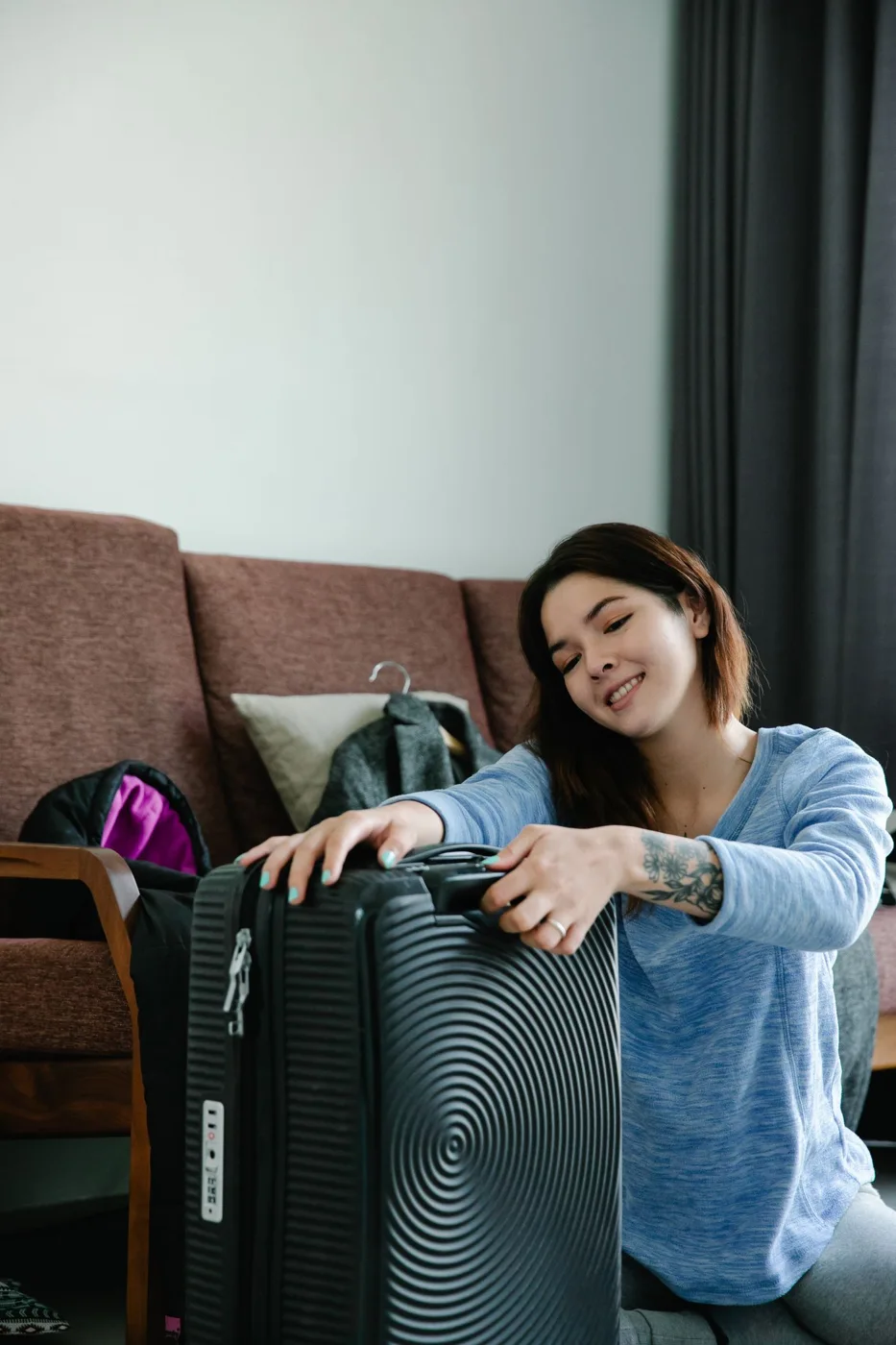
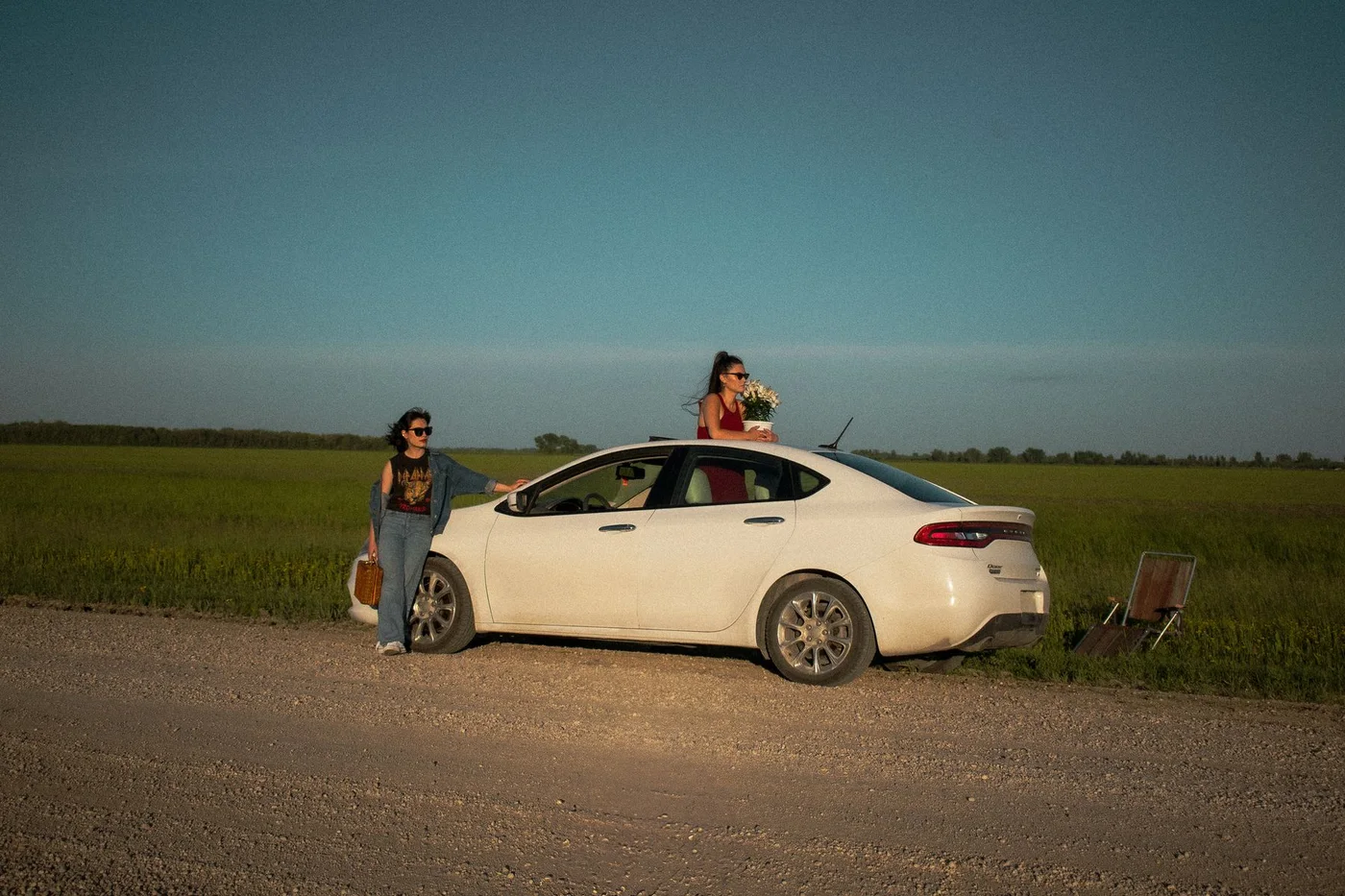
A road-trip stop becomes easier when the few needed belongings can be retrieved appropriately without unloading the whole bag. Plan that group before loading the vehicle. The useful arrangement respects the actual vehicle and safe travel while making the ordinary pause clear for everyone involved.
Define the planned stop
Identify whether the pause is for a meal, a short wanted walk, an accommodation handover, or another actual activity. These need different contents. Do not pack a general collection of possibilities when the next stop has a clear purpose.
Discuss individual needs and responsibilities with companions. Someone may need a personal item that should not be assigned to a shared bag. Keep important belongings and private information on an appropriate secure route.
Read vehicle and provider guidance
Follow the actual vehicle's instructions and any relevant provider rules for loading and travel. A space where a bag fits is not automatically a suitable place to store it. Confirm the arrangement for the specific vehicle rather than a similar photograph.
Do not make retrieval depend on reaching into unsuitable areas while moving. Handle belongings in an appropriate stopped setting. Driving and other safety responsibilities deserve their required attention independently of the bag organization.
Group only the useful contents
Choose a suitable manageable bag or section for the planned pause. Keep ready clothing separate from items needing care. If food is included, follow its instructions and reliable food-safety guidance for the actual transport and storage conditions.
Use equipment and containers for their stated purposes. A pocket or pouch does not establish temperature control, device protection, or other specialist performance simply because the contents fit inside.
Test the stopped handover
With the vehicle appropriately parked and used according to instructions, check how the group can be retrieved. Notice whether one person's ordinary need requires disturbing everyone's luggage. Change the grouping before the journey rather than relying on repeated full unloading.
Make the arrangement understandable to companions. A simple shared explanation can be more useful than an elaborate packing system known to one person. Respect physical limits and individual access needs.
Restore the load afterward
Return ready belongings to their suitable place and send used items through an appropriate separate route. Handle waste and any remaining food appropriately. Check the arrangement before travel resumes according to relevant guidance.
If the pause revealed an unnecessary item, note it for the next trip. The useful lesson is a clearer purposeful kit, not a requirement to buy more organizers for every stop.
Must every person carry a stop bag? Agree the arrangement for actual needs. Can bags go anywhere they fit? Follow specific vehicle guidance. Does one tidy departure last all day? Reassess contents and condition after use.
Our coastal-weekend bag guide considers a modest load. The used-clothes section guide keeps in-process belongings distinct.
Planning references: FDA: Safe Food Handling. Confirm current arrangements with the relevant provider.
Have a correction or a question? Contact the journal. See how we choose topics and approach shopping advice.