
Shopping note: This journal carries advertisements and may earn a commission from qualifying purchases through marked commercial links. Product availability, prices and returns depend on your retailer and region. Read our disclosure.
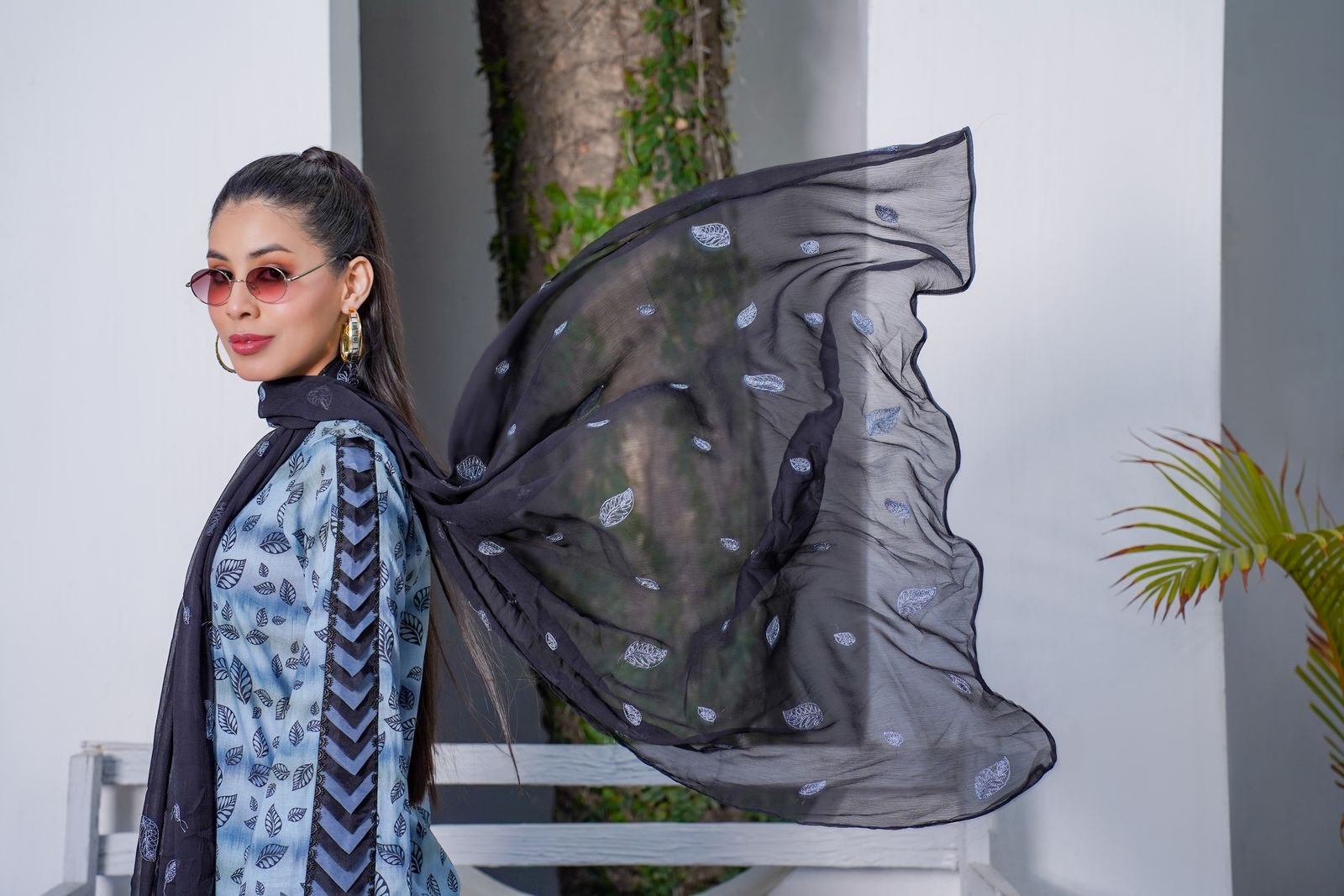
A scarf chosen with a coat also needs a plan for the moment the coat comes off. The indoor top may have a different neckline, and the scarf may no longer serve the role it had outside. Try that transition before deciding the accessory belongs in a repeated everyday outfit.
Start with the indoor clothes
Put on the top and lower garment you expect to wear after arrival. Check that the outfit feels complete to you before adding the coat or scarf. An outer arrangement should not be the only reason you feel able to wear the base, especially during a day that moves between different spaces.
The open-coat outfit guide helps consider that complete base. A scarf can be a chosen addition without becoming a device that must remain in place to conceal an unresolved garment preference.
Add the scarf as intended
Use the accessory within its product guidance and your own comfortable arrangement. Look at the indoor neckline and notice whether the scarf rests as you want. If the only preferred position requires continual pulling or an unsuitable fastening, try another existing companion rather than forcing the fabric into place.
Then add the coat and inspect the relationship at the collar, opening and bag strap. Keep the observation specific: a crowded neckline, loose ends in an awkward place or an arrangement that changes when the bag is carried. Those are different questions and may need different responses.
Rehearse the removal sequence
Take off the coat in an appropriate setting as you would on arrival. Decide whether the scarf remains worn or is removed too. A photograph of the completed outdoor outfit can hide this everyday task, including the moment when you also need to manage the bag and other belongings.
The everyday tote checklist helps connect the accessory decision to a real carrying load. Do not assume a bag can accept every removed layer simply because there appears to be space when it is empty.
Give the removed scarf a suitable place
Follow the item's handling and care requirements when setting it down or storing it. Avoid an improvised position that blocks a route, mixes it with unrelated belongings or requires another person to move it without knowing whose it is. A shared setting may need a simpler arrangement than the one used at home.
If the scarf remains worn indoors, move normally and check whether the new neckline relationship is comfortable. If it is removed, look at the base outfit again without rebuilding it in the mirror. Record the actual garments that made the whole sequence easy. A useful scarf choice works through its transitions, with the indoor outfit and the removed belongings considered alongside the outdoor appearance rather than left as problems to solve after arrival.
Have a correction or a question? Contact the journal. See how we choose topics and approach shopping advice.