Shopping note: This journal carries advertisements and may earn a commission from qualifying purchases through marked commercial links. Product availability, prices and returns depend on your retailer and region. Read our disclosure.
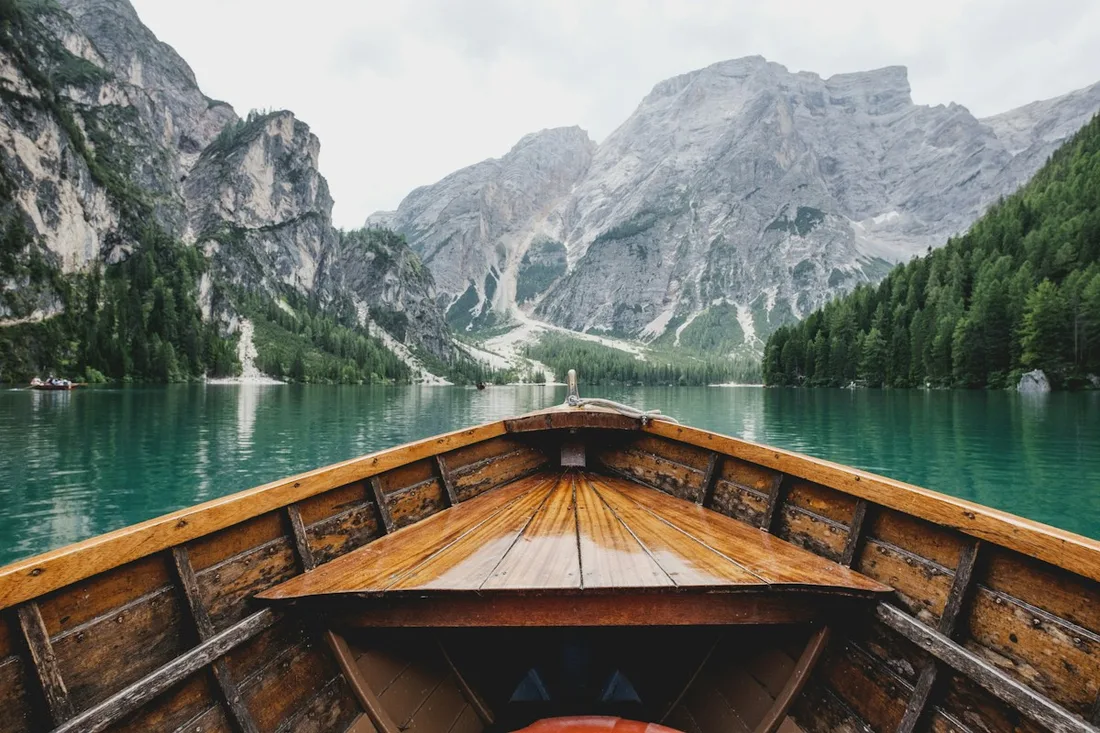
A scenic photograph can make a future outing feel desirable before you know what part of it you actually want. Turn that broad attraction into a specific interest before building a plan around the image. A mountain lake photograph might draw you through its shapes, the water’s colour, the view from a boat or simply the sense of looking towards a distance. Those are different interests and may lead to different decisions.
Describe the attraction without a destination claim
Write what you can see and what it makes you curious about. “I enjoy the mountain forms around the water” is a useful starting point. It does not require you to identify a place from an image whose location you have not established.
Keep the photographer’s actual source information with the image where relevant. Do not rename a scene because it resembles another destination. Your personal association can inspire an idea without becoming a factual claim about the pictured place.
Separate the view from the activity
A photograph taken from a boat may attract you because of its composition, not because you want a boating activity. Likewise, an image of a path does not establish that the route or the activity is appropriate for your intended outing. Name the interest before deciding what experience it requires.
You may discover that you want time to look at water and mountains rather than to reproduce the exact viewpoint. That distinction can broaden the planning question without making unsupported assumptions about access to the pictured scene.
Research the actual proposal
Once you have a specific place or activity in mind, use the responsible official sources to establish the practical arrangement and requirements. A beautiful image cannot confirm permission, availability or suitability for your particular plans. Keep the visual idea and the operational information as separate references.
The woodland turnaround guide considers another outing where a clear plan matters more than a generic wish to keep going. The particular requirements differ, but the photograph should remain inspiration rather than the source of instructions.
Choose the part you genuinely want
Compare the established proposal with the interest you first named. If the available activity does not serve that interest, you do not need to choose it merely because it belongs to the photographed destination. You can also keep the image as a visual reference and leave the outing undecided.
The rainy city weekend guide offers a broader example of letting the actual circumstances shape the day. A useful scenic photograph can begin a good question rather than dictate a complete itinerary. When you understand whether you wanted a particular activity, a view or an opportunity to observe, the next planning step becomes more concrete and less dependent on recreating someone else’s image.
Have a correction or a question? Contact the journal. See how we choose topics and approach shopping advice.