Shopping note: This journal carries advertisements and may earn a commission from qualifying purchases through marked commercial links. Product availability, prices and returns depend on your retailer and region. Read our disclosure.
A pair of shoes can feel different with a thick sock, a thin sock, or a low-cut style that slides during a walk. Socks are a small part of an outfit, but they affect how the shoe fits and how easy the day feels. Choosing the pair alongside the footwear is more useful than grabbing whatever is closest while leaving.
Begin with the shoe and activity. A short indoor occasion and a long walking day need different consideration. Use familiar combinations when comfort matters and follow any relevant footwear guidance. This article concerns clothing fit and organization; it does not offer medical advice for foot conditions or replace appropriate professional guidance.
Test the complete combination
Put on the socks and shoes you intend to wear and walk normally. Notice crowding, slipping, seams, and whether the heel stays where you expect. Sit and stand as well. A shoe tried on barefoot or with a different sock may not behave the same way with today's pair.
If the combination becomes uncomfortable during a short trial, address it before relying on a long outing. Changing sock thickness may help some fit issues, but it does not guarantee that an unsuitable shoe becomes suitable. Do not keep adding layers to force a loose shoe into place or accept pressure because the socks match attractively.
Compare length and fastening
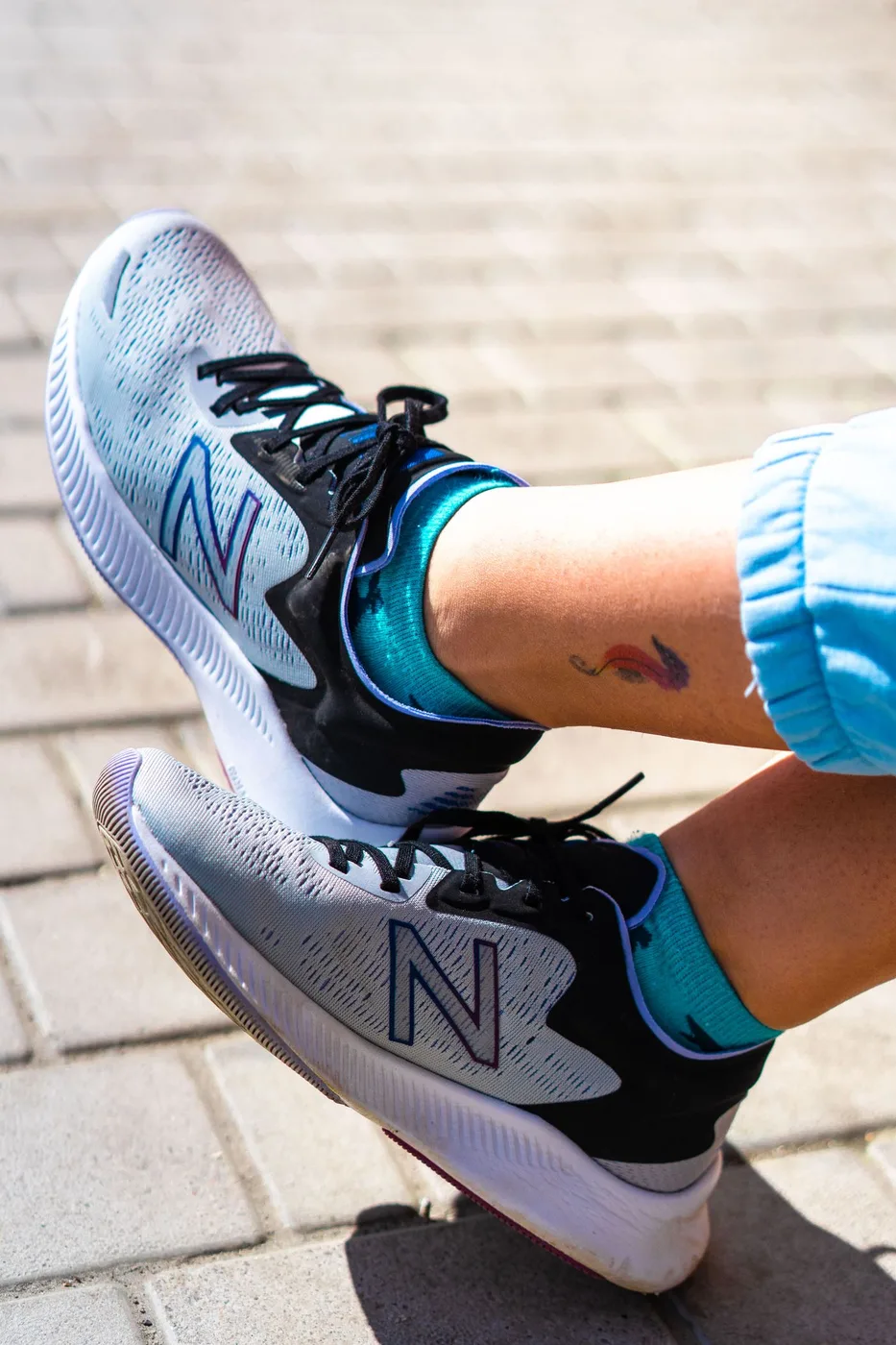
Check where the sock edge sits relative to the shoe. A low-cut style may disappear visually but move beneath the heel. A taller option may stay more predictable while changing the outfit's appearance. Choose the tradeoff you prefer and verify it through actual wear, not only how it looks in the mirror.
Inspect any grips, seams, or elastic areas and read the maker's care information. If an edge feels uncomfortable or leaves you wanting to remove the sock, choose another suitable design. A product name that promises invisibility or comfort does not establish that it works for every person and shoe.
Read composition in context
Fiber content can help you understand the product, but construction, thickness, fit, and your own preferences also matter. Do not assume one material name guarantees a particular wearing experience. Look at the whole sock and how it behaves in your footwear. Follow washing and drying instructions rather than treating all similar colors as one laundry category.
Consider the weather and activity without expecting a sock to solve every footwear problem. If shoes are unsuitable for the conditions, another sock may not be enough. Choose the complete arrangement for the route and seek appropriate advice if you have persistent discomfort or a specific health concern.
Use appearance deliberately
Decide whether you want the sock visible. A contrasting pair can become part of the outfit, while a quieter tone can blend with the shoe or trousers. Check the result seated, when a trouser hem may rise. Neither choice needs a universal rule about age, height, or what is fashionable.
Try one variation with clothes you already wear. A visible sock can change a familiar loafer outfit without requiring another shoe purchase. Keep comfort first and avoid buying several novelty pairs before testing the style you enjoy. A small experiment is enough to learn whether the look suits your routine.
Organize pairs by use
Keep the socks that work with your main shoes recognizable. A small drawer section or grouping can reduce the morning search. Check condition and remove pairs that no longer perform their intended role. Do not keep a solitary sock indefinitely if its partner is unlikely to return and you have no useful reason to retain it.
After laundering according to care instructions, return pairs together when practical. If socks repeatedly go missing, look at the washing and storage route before buying another large pack. A manageable collection of useful pairs can be easier than a drawer full of nearly suitable options.
Do socks need to match trousers? Matching is one option; a deliberate contrast can work too. Are invisible socks always best with loafers? Choose according to fit, comfort, and the appearance you prefer. Should I take spare socks when traveling? Decide from the activities, weather, laundry arrangements, and your own needs rather than a fixed packing number.
Our loafer shopping guide helps with the footwear side of the combination. The dress-and-sneaker guide offers another outfit context. A useful sock choice is small preparation that supports the entire day.
Have a correction or a question? Contact the journal. See how we choose topics and approach shopping advice.